The Rational Use of Cognitive Resources
ફેબ્રુ 2026 · Princeton University Press
ઇ-પુસ્તક
280
પેજ
family_home
પાત્ર
info
આ ઇ-પુસ્તક વિશે
A new approach to understanding irrational behavior and modeling human cognition
What does it mean to act rationally? Mathematicians, economists, and statisticians have argued that a rational actor chooses actions that maximize their expected utility. By this standard, people routinely behave irrationally—and psychologists have amassed long lists of cognitive biases and heuristics to explain why. This book suggests a different approach: resource-rational analysis. With finite time and brain power, it is often unrealistic to consider all the options or determine the exact expected utility of any one of them. By reframing questions of rational action in terms of how we should make the best use of our limited cognitive resources, the book offers a new take on fundamental questions at the heart of cognitive psychology, behavioral economics, and the design of artificial intelligence systems.
The book presents a formal framework for applying resource-rational analysis to understand and improve human behavior, a set of tools developed by the authors to make this easier, and examples of how they have used this approach to revisit classic questions about human cognition, pose new ones, and enhance human rationality. The book will be a valuable resource for psychologists, economists, and philosophers as well as neuroscientists studying human brains and minds and computer scientists working to reproduce such systems in machines.
A new approach to understanding irrational behavior and modeling human cognition
What does it mean to act rationally? Mathematicians, economists, and statisticians have argued that a rational actor chooses actions that maximize their expected utility. By this standard, people routinely behave ir...
વધુ શોધો
લેખક વિશે
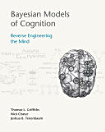
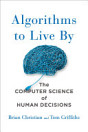
Falk Lieder is assistant professor of psychology at the University of California, Los Angeles. Frederick Callaway is assistant professor at Dartmouth College. Thomas L. Griffiths is professor of psychology and computer science at Princeton University and the coauthor of the books Algorithms to Live By and Bayesian Models of Cognition.
Falk Lieder is assistant professor of psychology at the University of California, Los Angeles. Frederick Callaway is assistant professor at Dartmouth College. Thomas L. Griffiths is professor of psychology and computer science at Princeton University and the coauthor of the books Algorithms to Li...
આ ઇ-પુસ્તકને રેટિંગ આપો
તમે શું વિચારો છો અમને જણાવો.
માહિતી વાંચવી
સ્માર્ટફોન અને ટૅબ્લેટ
Android અને iPad/iPhone માટે Google Play Books ઍપ ઇન્સ્ટૉલ કરો. તે તમારા એકાઉન્ટ સાથે ઑટોમૅટિક રીતે સિંક થાય છે અને તમને જ્યાં પણ હો ત્યાં તમને ઑનલાઇન અથવા ઑફલાઇન વાંચવાની મંજૂરી આપે છે.
લૅપટૉપ અને કમ્પ્યુટર
Google Play પર ખરીદેલ ઑડિઓબુકને તમે તમારા કમ્પ્યુટરના વેબ બ્રાઉઝરનો ઉપયોગ કરીને સાંભળી શકો છો.
eReaders અને અન્ય ડિવાઇસ
Kobo ઇ-રીડર જેવા ઇ-ઇંક ડિવાઇસ પર વાંચવા માટે, તમારે ફાઇલને ડાઉનલોડ કરીને તમારા ડિવાઇસ પર ટ્રાન્સફર કરવાની જરૂર પડશે. સપોર્ટેડ ઇ-રીડર પર ફાઇલો ટ્રાન્સ્ફર કરવા માટે સહાયતા કેન્દ્રની વિગતવાર સૂચનાઓ અનુસરો.