ഈ ഇ-ബുക്കിനെക്കുറിച്ച്
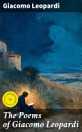
In 'The Poems of Leopardi,' Giacomo Leopardi presents a profound exploration of the human condition, characterized by its melancholic introspection and vivid imagery. Composed during the early 19th century, these poems embody a Romantic sensibility intertwined with Classical influences, adeptly capturing themes such as mortality, nature, and the inexorable passage of time. Leopardi's unique stylistic approach—marked by haunting metaphor and philosophical depth—invites readers into a contemplative dialogue, as he wrestles with despair, beauty, and the eternal mysteries of life. The collection reflects the socio-political milieu of Italian unification, elevating personal sorrow to universal significance. A prominent figure in Italian literature, Leopardi's own life experiences profoundly shaped his poetic vision. Born into a noble family in 1798 in Recanati, he faced isolation and health issues that fed into his existential musings. His disillusionment with romantic ideals and the limitations of human experience informed his writing, making him a pivotal voice in the Romantic movement and a precursor to modern existential thought. This compilation is indispensable for readers seeking a deeper understanding of Romantic despair and philosophical inquiry. 'The Poems of Leopardi' is both a cerebral journey and an emotional experience, making it an essential read for anyone interested in the intersection of beauty and melancholy.
In 'The Poems of Leopardi,' Giacomo Leopardi presents a profound exploration of the human condition, characterized by its melancholic introspection and vivid imagery. Composed during the early 19th century, these poems embody a Romantic sensibility intertwined with Classical influences, adeptly c...
രചയിതാവിനെ കുറിച്ച്
Giacomo Leopardi (1798–1837) remains one of the most profound and compelling voices in Italian literature. Born in the small town of Recanati, in the Papal States, Leopardi was a precocious learner, educating himself in his father's extensive library. Gifted in languages and the classics, his scholarship produced notable works such as 'Operette Morali' and his extensive philological studies. However, it is his poetic oeuvre for which he is most deeply revered. 'The Poems of Leopardi,' his most acclaimed work, resonates as an anguished search for beauty in the face of overwhelming sorrow and a profound meditation on the human condition. Leopardi's refined lyrical voice, underpinned by his mastery in philology and the enlightenment philosophy, often dwells on themes such as the relentless passage of time, the nature of happiness, and the stark reality of mortality. What distinguishes Leopardi's literary style is a rigorous classical form combined with a sensibility acutely attuned to the inner turmoil and existential despair. His influence extends beyond Italy to the wider European context, where his contributions to literary romanticism and existentialism resonate in the works of later writers and thinkers. Leopardi's 'Canti', a collection of forty-one poems, including the formidable 'L'Infinito', cement his place as an essential poet whose work has endured through the centuries, both for its technical mastery and its emotional depth.
Giacomo Leopardi (1798–1837) remains one of the most profound and compelling voices in Italian literature. Born in the small town of Recanati, in the Papal States, Leopardi was a precocious learner, educating himself in his father's extensive library. Gifted in languages and the classics, his sch...
ഈ ഇ-ബുക്ക് റേറ്റ് ചെയ്യുക
നിങ്ങളുടെ അഭിപ്രായം ഞങ്ങളെ അറിയിക്കുക.
വായനാ വിവരങ്ങൾ
സ്മാർട്ട്ഫോണുകളും ടാബ്ലെറ്റുകളും
Android, iPad/iPhone എന്നിവയ്ക്കായി Google Play ബുക്സ് ആപ്പ് ഇൻസ്റ്റാൾ ചെയ്യുക. ഇത് നിങ്ങളുടെ അക്കൗണ്ടുമായി സ്വയമേവ സമന്വയിപ്പിക്കപ്പെടുകയും, എവിടെ ആയിരുന്നാലും ഓൺലൈനിൽ അല്ലെങ്കിൽ ഓഫ്ലൈനിൽ വായിക്കാൻ നിങ്ങളെ അനുവദിക്കുകയും ചെയ്യുന്നു.
ലാപ്ടോപ്പുകളും കമ്പ്യൂട്ടറുകളും
Google Play-യിൽ നിന്ന് വാങ്ങിയിട്ടുള്ള ഓഡിയോ ബുക്കുകൾ കമ്പ്യൂട്ടറിന്റെ വെബ് ബ്രൗസർ ഉപയോഗിച്ചുകൊണ്ട് വായിക്കാവുന്നതാണ്.
ഇ-റീഡറുകളും മറ്റ് ഉപകരണങ്ങളും
Kobo ഇ-റീഡറുകൾ പോലുള്ള ഇ-ഇങ്ക് ഉപകരണങ്ങളിൽ വായിക്കാൻ ഒരു ഫയൽ ഡൗൺലോഡ് ചെയ്ത് അത് നിങ്ങളുടെ ഉപകരണത്തിലേക്ക് കൈമാറേണ്ടതുണ്ട്. പിന്തുണയുള്ള ഇ-റീഡറുകളിലേക്ക് ഫയലുകൾ കൈമാറാൻ, സഹായ കേന്ദ്രത്തിലുള്ള വിശദമായ നിർദ്ദേശങ്ങൾ ഫോളോ ചെയ്യുക.