ກ່ຽວກັບປຶ້ມ e-book ນີ້
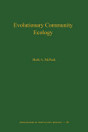
The dazzling variation in plant chemistry is a primary mediator of trophic interactions, including herbivory, predation, parasitism, and disease. At the same time, such interactions feed back to influence spatial and temporal variation in the chemistry of plants. In this book, Mark Hunter provides a novel approach to linking the trophic interactions of organisms with the cycling of nutrients in ecosystems.
Hunter introduces the concept of the "phytochemical landscape"—the shifting spatial and temporal mosaic of plant chemistry that serves as the nexus between trophic interactions and nutrient dynamics. He shows how plant chemistry is both a cause and consequence of trophic interactions, and how it also mediates ecosystem processes such as nutrient cycling. Nutrients and organic molecules in plant tissues affect decomposition rates and the fluxes of elements such as carbon, nitrogen, and phosphorus. The availability of these same nutrients influences the chemistry of cells and tissues that plants produce. In combination, these feedback routes generate pathways by which trophic interactions influence nutrient dynamics and vice versa, mediated through plant chemistry. Hunter provides evidence from terrestrial and aquatic systems for each of these pathways, and describes how a focus on the phytochemical landscape enables us to better understand and manage the ecosystems in which we live.
Essential reading for students and researchers alike, this book offers an integrated approach to population-, community-, and ecosystem-level ecological processes.
The dazzling variation in plant chemistry is a primary mediator of trophic interactions, including herbivory, predation, parasitism, and disease. At the same time, such interactions feed back to influence spatial and temporal variation in the chemistry of plants. In this book, Mark Hunter provide...
ຄົ້ນພົບເພີ່ມເຕີມ
ກ່ຽວກັບຜູ້ຂຽນ
Mark D. Hunter is the Henry A. Gleason Collegiate Professor of Ecology and Evolutionary Biology at the University of Michigan. His books include Ecology of Insects: Concepts and Applications.
Mark D. Hunter is the Henry A. Gleason Collegiate Professor of Ecology and Evolutionary Biology at the University of Michigan. His books include Ecology of Insects: Concepts and Applications.
ໃຫ້ຄະແນນ e-book ນີ້
ບອກພວກເຮົາວ່າທ່ານຄິດແນວໃດ.
ອ່ານຂໍ້ມູນຂ່າວສານ
ສະມາດໂຟນ ແລະ ແທັບເລັດ
ຕິດຕັ້ງ ແອັບ Google Play Books ສຳລັບ Android ແລະ iPad/iPhone. ມັນຊິ້ງຂໍ້ມູນໂດຍອັດຕະໂນມັດກັບບັນຊີຂອງທ່ານ ແລະ ອະນຸຍາດໃຫ້ທ່ານອ່ານທາງອອນລາຍ ຫຼື ແບບອອບລາຍໄດ້ ບໍ່ວ່າທ່ານຈະຢູ່ໃສ.
ແລັບທັອບ ແລະ ຄອມພິວເຕີ
ທ່ານສາມາດຟັງປຶ້ມສຽງທີ່ຊື້ໃນ Google Play ໂດຍໃຊ້ໂປຣແກຣມທ່ອງເວັບຂອງຄອມພິວເຕີຂອງທ່ານໄດ້.
eReaders ແລະອຸປະກອນອື່ນໆ
ເພື່ອອ່ານໃນອຸປະກອນ e-ink ເຊັ່ນ: Kobo eReader, ທ່ານຈຳເປັນຕ້ອງດາວໂຫຼດໄຟລ໌ ແລະ ໂອນຍ້າຍມັນໄປໃສ່ອຸປະກອນຂອງທ່ານກ່ອນ. ປະຕິບັດຕາມຄຳແນະນຳລະອຽດຂອງ ສູນຊ່ວຍເຫຼືອ ເພື່ອໂອນຍ້າຍໄຟລ໌ໄໃສ່ eReader ທີ່ຮອງຮັບ.