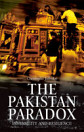
The Pakistan Paradox: Instability and Resilience
ส.ค. 2015 · Oxford University Press
star
1 รีวิว
eBook
672
หน้า
family_home
มีสิทธิ์
info
เกี่ยวกับ eBook เล่มนี้
Pakistan was born as the creation of elite Urdu-speaking Muslims who sought to govern a state that would maintain their dominance. After rallying non-Urdu speaking leaders around him, Jinnah imposed a unitary definition of the new nation state that obliterated linguistic diversity. This centralisation - 'justified' by the Indian threat - fostered centrifugal forces that resulted in Bengali secessionism in 1971 and Baloch, as well as Mohajir, separatisms today. Concentration of power in the hands of the establishment remained the norm, and while authoritarianism peaked under military rule, democracy failed to usher in reform, and the rule of law remained fragile at best under Zulfikar Bhutto and later Nawaz Sharif. While Jinnah and Ayub Khan regarded religion as a cultural marker, since their time theIslamists have gradually prevailed. They benefited from the support of General Zia, while others, including sectarian groups, cashed in on their struggle against the establishment to woo the disenfranchised. Today, Pakistan faces existential challenges ranging from ethnic strife to Islamism, two sources of instability which hark back to elite domination. But the resilience of the country and its people, the resolve of the judiciary and hints of reform in the army may open up new possibilities.
Pakistan was born as the creation of elite Urdu-speaking Muslims who sought to govern a state that would maintain their dominance. After rallying non-Urdu speaking leaders around him, Jinnah imposed a unitary definition of the new nation state that obliterated linguistic diversity. This centralis...
สำรวจหนังสือเล่มอื่นๆ
การให้คะแนนและรีวิว
1 รีวิว
เกี่ยวกับผู้แต่ง
Dr Christophe Jaffrelot is Research Director at CNRS and teaches South Asian politics and history at Sciences Po (Paris). From 2000-8, he was Director of CERI at Sciences Po. Arguably one of the world's most respected writers on Indian society and politics, his publications include The Hindu Nationalist Movement and Indian Politics, 1925 to the 1990s, India's Silent Revolution: The Rise of the Lower Castes in North India, and Dr Ambedkar and Untouchability: Analysing and Fighting Caste, all of which are published by Hurst.
Dr Christophe Jaffrelot is Research Director at CNRS and teaches South Asian politics and history at Sciences Po (Paris). From 2000-8, he was Director of CERI at Sciences Po. Arguably one of the world's most respected writers on Indian society and politics, his publications include The Hindu Nati...
ให้คะแนน eBook นี้
แสดงความเห็นของคุณให้เรารับรู้
ข้อมูลในการอ่าน
สมาร์ทโฟนและแท็บเล็ต
ติดตั้งแอป Google Play Books สำหรับ Android และ iPad/iPhone แอปจะซิงค์โดยอัตโนมัติกับบัญชีของคุณ และช่วยให้คุณอ่านแบบออนไลน์หรือออฟไลน์ได้ทุกที่
แล็ปท็อปและคอมพิวเตอร์
คุณฟังหนังสือเสียงที่ซื้อจาก Google Play โดยใช้เว็บเบราว์เซอร์ในคอมพิวเตอร์ได้
eReader และอุปกรณ์อื่นๆ
หากต้องการอ่านบนอุปกรณ์ e-ink เช่น Kobo eReader คุณจะต้องดาวน์โหลดและโอนไฟล์ไปยังอุปกรณ์ของคุณ โปรดทำตามวิธีการอย่างละเอียดในศูนย์ช่วยเหลือเพื่อโอนไฟล์ไปยัง eReader ที่รองรับ