เกี่ยวกับ eBook เล่มนี้
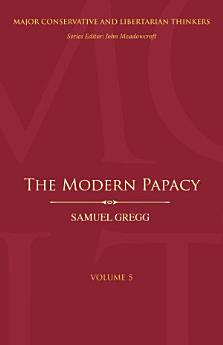
Since the dawn of the Enlightenment, modernity and the Papacy have experienced a difficult though never severed relationship. The Modern Papacy goes beyond the caricatures to demonstrate how the popes - specifically John Paul II and Benedict XVI - have articulated a sophisticated critique of the post-Enlightenment world, one that acknowledges the real progress made in modernity while simultaneously highlighting its political and philosophical shortcomings. Far from falling on deaf ears, the nature of their engagement with the modern world has sparked criticism and praise from Catholics and non-Catholics alike - sometimes in surprising ways. Whether the subject is faith and reason, religion and the modern sciences, the roots and future of Europe, or the origin and ends of human freedom, John Paul II and Benedict XVI pose questions that simply cannot be ignored, regardless of whether one likes their answers.
Since the dawn of the Enlightenment, modernity and the Papacy have experienced a difficult though never severed relationship. The Modern Papacy goes beyond the caricatures to demonstrate how the popes - specifically John Paul II and Benedict XVI - have articulated a sophisticated critique of the ...
สำรวจหนังสือเล่มอื่นๆ
เกี่ยวกับผู้แต่ง
Samuel Gregg is Director of Research at the Acton Institute. He is the author of several books, including Morality, Law, and Public Policy (2000), Economic Thinking for the Theologically Minded (2001), On Ordered Liberty (2003), The Commercial Society (2007), as well as monographs such as Ethics and Economics: The Quarrel and the Dialogue (1999), A Theory of Corruption (2004), and Banking, Justice, and the Common Good (2005).
Samuel Gregg is Director of Research at the Acton Institute. He is the author of several books, including Morality, Law, and Public Policy (2000), Economic Thinking for the Theologically Minded (2001), On Ordered Liberty (2003), The Commercial Society (2007), as well as monographs such as Ethics ...
ให้คะแนน eBook นี้
แสดงความเห็นของคุณให้เรารับรู้
ข้อมูลในการอ่าน
สมาร์ทโฟนและแท็บเล็ต
ติดตั้งแอป Google Play Books สำหรับ Android และ iPad/iPhone แอปจะซิงค์โดยอัตโนมัติกับบัญชีของคุณ และช่วยให้คุณอ่านแบบออนไลน์หรือออฟไลน์ได้ทุกที่
แล็ปท็อปและคอมพิวเตอร์
คุณฟังหนังสือเสียงที่ซื้อจาก Google Play โดยใช้เว็บเบราว์เซอร์ในคอมพิวเตอร์ได้
eReader และอุปกรณ์อื่นๆ
หากต้องการอ่านบนอุปกรณ์ e-ink เช่น Kobo eReader คุณจะต้องดาวน์โหลดและโอนไฟล์ไปยังอุปกรณ์ของคุณ โปรดทำตามวิธีการอย่างละเอียดในศูนย์ช่วยเหลือเพื่อโอนไฟล์ไปยัง eReader ที่รองรับ