এই ইবুকখনৰ বিষয়ে
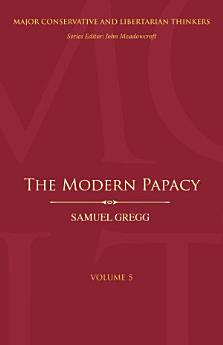
Since the dawn of the Enlightenment, modernity and the Papacy have experienced a difficult though never severed relationship. The Modern Papacy goes beyond the caricatures to demonstrate how the popes - specifically John Paul II and Benedict XVI - have articulated a sophisticated critique of the post-Enlightenment world, one that acknowledges the real progress made in modernity while simultaneously highlighting its political and philosophical shortcomings. Far from falling on deaf ears, the nature of their engagement with the modern world has sparked criticism and praise from Catholics and non-Catholics alike - sometimes in surprising ways. Whether the subject is faith and reason, religion and the modern sciences, the roots and future of Europe, or the origin and ends of human freedom, John Paul II and Benedict XVI pose questions that simply cannot be ignored, regardless of whether one likes their answers.
Since the dawn of the Enlightenment, modernity and the Papacy have experienced a difficult though never severed relationship. The Modern Papacy goes beyond the caricatures to demonstrate how the popes - specifically John Paul II and Benedict XVI - have articulated a sophisticated critique of the ...
অধিক বিচাৰি পাওক
লিখকৰ বিষয়ে
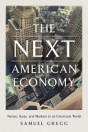
Samuel Gregg is Director of Research at the Acton Institute. He is the author of several books, including Morality, Law, and Public Policy (2000), Economic Thinking for the Theologically Minded (2001), On Ordered Liberty (2003), The Commercial Society (2007), as well as monographs such as Ethics and Economics: The Quarrel and the Dialogue (1999), A Theory of Corruption (2004), and Banking, Justice, and the Common Good (2005).
Samuel Gregg is Director of Research at the Acton Institute. He is the author of several books, including Morality, Law, and Public Policy (2000), Economic Thinking for the Theologically Minded (2001), On Ordered Liberty (2003), The Commercial Society (2007), as well as monographs such as Ethics ...
এই ইবুকখনক মূল্যাংকন কৰক
আমাক আপোনাৰ মতামত জনাওক।
পঢ়াৰ নির্দেশাৱলী
স্মাৰ্টফ’ন আৰু টেবলেট
Android আৰু iPad/iPhoneৰ বাবে Google Play Books এপটো ইনষ্টল কৰক। ই স্বয়ংক্রিয়ভাৱে আপোনাৰ একাউণ্টৰ সৈতে ছিংক হয় আৰু আপুনি য'তে নাথাকক ত'তেই কোনো অডিঅ'বুক অনলাইন বা অফলাইনত শুনিবলৈ সুবিধা দিয়ে।
লেপটপ আৰু কম্পিউটাৰ
আপুনি কম্পিউটাৰৰ ৱেব ব্রাউজাৰ ব্যৱহাৰ কৰি Google Playত কিনা অডিঅ'বুকসমূহ শুনিব পাৰে।
ই-ৰীডাৰ আৰু অন্য ডিভাইচ
Kobo eReadersৰ দৰে ই-চিয়াঁহীৰ ডিভাইচসমূহত পঢ়িবলৈ, আপুনি এটা ফাইল ডাউনল’ড কৰি সেইটো আপোনাৰ ডিভাইচলৈ স্থানান্তৰণ কৰিব লাগিব। সমৰ্থিত ই-ৰিডাৰলৈ ফাইলটো কেনেকৈ স্থানান্তৰ কৰিব জানিবলৈ সহায় কেন্দ্ৰত থকা সবিশেষ নিৰ্দেশাৱলী চাওক।