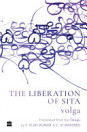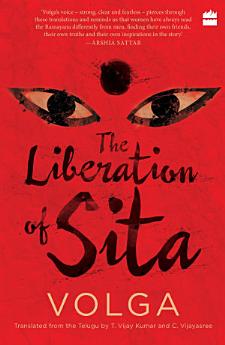
The Liberation of Sita
À propos de cet e-book
Valmiki's Ramayana is the story of Rama's exile and return to Ayodhya, a triumphant king who will always do right by his subjects. In Volga's retelling, it is Sita who, after being abandoned by Purushottam Rama, embarks on an arduous journey to self-realization. Along the way, she meets extraordinary women who have broken free from all that held them back: husbands, sons, and their notions of desire, beauty and chastity. The minor women characters of the epic as we know it - Surpanakha, Renuka, Urmila and Ahalya - steer Sita towards an unexpected resolution. Meanwhile, Rama too must reconsider and weigh out his roles as the king of Ayodhya and as a man deeply in love with his wife. A powerful subversion of India's most popular tale of morality, choice and sacrifice, The Liberation of Sita opens up new spaces within the old discourse, enabling women to review their lives and experiences afresh. This is Volga at her feminist best.
En voir d'autres
Notes et avis
À propos de l'auteur
VOLGA is a writer, critic, translator and poet, who has been a forerunner in introducing a feminist perspective into the literary-political discourse of the Telugu-speaking states. One of the most significant figures in Telugu literature today, her works opened the floodgates for a host of women writers to articulate the doubts and confusions they experienced as women. Her novel Sveccha (Freedom) marks a watershed in women's writing in Telugu and is now being published in all Indian languages by the National Book Trust of India. Her other works include the short-story collection Rajakiya Kathalu (Political Stories), that looks at the oppression of and control on a woman's body; Maaku Godalu Levu (We Have No Walls), the first volume in feminist philosophy in Telugu, which she edited; and an anthology of feminist poems, Neeli Meghalu (Dark Clouds), also one she edited. She co-authored Saramsam, which documents the anti-arrack struggle, and Mahilavaranam (Womanscape), a detailed collective biography of important Telugu women of the twentieth century. With works like Atadu Ame Manam (He–She–Us) and Sahita (Inclusion), she has contributed richly to feminist literary criticism. Volga has translated several important texts into Telugu, such as Agnes Smedley's autobiographical novel, Daughter of Earth, as Bhumi Putrika. She has also written screenplays for Telugu films, composed lyrics for dance ballets like War and Peace, and represented India in women's conferences in China and the United States.She has received numerous awards and honours, including the Sahitya Akademi Award for her short-story volume, Vimukta (published in translation as The Liberation of Sita), the South Asia Ladli Media and Advertising Award for Gender Sensitivity 2015–2016, and an honorary doctorate from Sri Padmavati Women's University.Volga lives in Hyderabad.