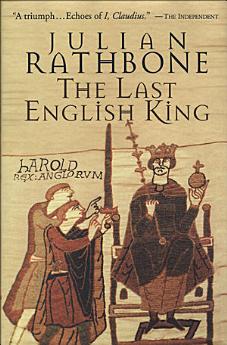
The Last English King
កក្កដា 2014 · Macmillan
សៀវភៅអេឡិចត្រូនិច
400
ទំព័រ
family_home
មានសិទ្ធិ
info
អំពីសៀវភៅអេឡិចត្រូនិកនេះ
On September 27, 1066, Duke William of Normandy sailed for England with hundreds of ships and over 8,000 men. King Harold of England, weakened by a ferocious Viking invasion from the north, could muster little defense. At the Battle of Hastings of October 14, he was outflanked, quickly defeated, and killed by William's superior troops. The course of English history was altered forever.
Three years later, Walt, King Harold's only surviving bodyguard, is still emotionally and physically scarred by the loss of his king and his country. Wandering through Asia Minor, headed vaguely for the Holy Land, he meets Quint, a renegade monk with a healthy line of skepticism and a hearty appetite for knowledge. It is he who persuades Walt, little by little, to tell his extraordinary story.
And so begins a roller-coaster ride into an era of enduring fascination. Weaving fiction around fact, Julian Rathbone brings to vibrant, exciting, and often amusing life the shadowy figures and events that preceded the Norman Conquest. We see Edward, confessing far more than he ever did in the history books. We meet the warring nobles of Mercia and Wessex; Harold and his unruly clan; Canute's descendants with their delusions of grandeur; predatory men, pushy women, subdued Scots, and wily Welsh. And we meet William of Normandy, a psychotic thug with interesting plans for the "racial sanitation" of the Euroskeptics across the water.
Peppered with discussions on philosophy, dentistry, democracy, devils, alcohol, illusions, and hygiene, The Last English King raises issues, both daring and delightful, that question the nature of history itself. Where are the lines between fact, interpretation, and re-creation? Did the French really stop for a two-hour lunch during the Battle of Hastings?
On September 27, 1066, Duke William of Normandy sailed for England with hundreds of ships and over 8,000 men. King Harold of England, weakened by a ferocious Viking invasion from the north, could muster little defense. At the Battle of Hastings of October 14, he was outflanked, quickly defeated, ...
ស្វែងរកច្រើនទៀត
អំពីអ្នកនិពន្ធ
Julian Rathbone was the author of many books, including Joseph and King Fisher Lives, both of which were shortlisted for the Booker Prize. He lived in Dorset, England.
Julian Rathbone was the author of many books, including Joseph and King Fisher Lives, both of which were shortlisted for the Booker Prize. He lived in Dorset, England.
វាយតម្លៃសៀវភៅអេឡិចត្រូនិកនេះ
ប្រាប់យើងអំពីការយល់ឃើញរបស់អ្នក។
អានព័ត៌មាន
ទូរសព្ទឆ្លាតវៃ និងថេប្លេត
ដំឡើងកម្មវិធី Google Play Books សម្រាប់ Android និង iPad/iPhone ។ វាធ្វើសមកាលកម្មដោយស្វ័យប្រវត្តិជាមួយគណនីរបស់អ្នក និងអនុញ្ញាតឱ្យអ្នកអានពេលមានអ៊ីនធឺណិត ឬគ្មានអ៊ីនធឺណិតនៅគ្រប់ទីកន្លែង។
កុំព្យូទ័រយួរដៃ និងកុំព្យូទ័រ
អ្នកអាចស្ដាប់សៀវភៅជាសំឡេងដែលបានទិញនៅក្នុង Google Play ដោយប្រើកម្មវិធីរុករកតាមអ៊ីនធឺណិតក្នុងកុំព្យូទ័ររបស់អ្នក។
eReaders និងឧបករណ៍ផ្សេងទៀត
ដើម្បីអាននៅលើឧបករណ៍ e-ink ដូចជាឧបករណ៍អានសៀវភៅអេឡិចត្រូនិក Kobo អ្នកនឹងត្រូវទាញយកឯកសារ ហើយផ្ទេរវាទៅឧបករណ៍របស់អ្នក។ សូមអនុវត្តតាមការណែនាំលម្អិតរបស់មជ្ឈមណ្ឌលជំនួយ ដើម្បីផ្ទេរឯកសារទៅឧបករណ៍អានសៀវភៅអេឡិចត្រូនិកដែលស្គាល់។