Om den här e-boken
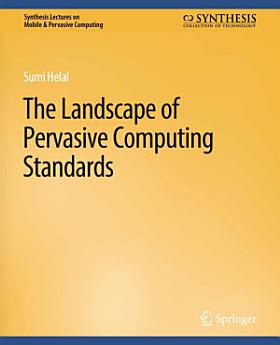
This lecture presents a first compendium of established and emerging standards in pervasive computing systems. The lecture explains the role of each of the covered standards and explains the relationship and interplay among them. Hopefully, the lecture will help piece together the various standards into a sensible and clear landscape. The lecture is a digest, reorganization, and a compilation of several short articles that have been published in the “Standards and Emerging Technologies” department of the IEEE Pervasive Computing magazine. The articles have been edited and shortened or expanded to provide the necessary focus and uniform coverage depth. There are more standards and common practices in pervasive systems than the lecture could cover. However, systems perspective and programmability of pervasive spaces, which are the main foci of the lecture, set the scope and determined which standards should be included. The lecture explains what it means to program a pervasive space andintroduces the new requirements brought about by pervasive computing. Among the standards the lecture covers are sensors and device standards, service-oriented device standards, service discovery and delivery standards, service gateway standards, and standards for universal interactions with pervasive spaces. In addition, the emerging sensor platform and domestic robots technologies are covered and their essential new roles explained. The lecture also briefly covers a set of standards that represents an ecosystem for the emerging pervasive healthcare industry. Audiences who may benefit from this lecture include (1) academic and industrial researchers working on sensor-based, pervasive, or ubiquitous computing R&D; (2) system integrator consultants and firms, especially those concerned with integrating sensors, actuators, and devices to their enterprise and business systems; (3) device, smart chips, and sensor manufacturers; (4) government agencies; (5) the healthcare IT and pervasive health industries; and (6) other industries such as logistics, manufacturing, and the emerging smart grid and environment sustainability industries. Table of Contents: Preface / Acknowledgments / Introduction / Sensor and Device Standards / Service-Oriented Device Architecture (SODA) / Sensor Platforms / Service Discovery and Delivery Standards / The Open Services Gateway Initiative (OSGi ) / Universal Interactions / Domestic Robots for Smart Space Interactions / Continua: An Interoperable Personal Health Echosystem / References / Author Biography
This lecture presents a first compendium of established and emerging standards in pervasive computing systems. The lecture explains the role of each of the covered standards and explains the relationship and interplay among them. Hopefully, the lecture will help piece together the various standar...
Upptäck mer
Om författaren
Sumi Helal, Ph.D. is a Professor of Computer and Information Science and Engineering (CISE) at the University of Florida. His research interests span the areas of Pervasive Computing, Mobile Computing and networking and Internet Computing. He directs the Mobile and Pervasive Computing Laboratory at the CISE department, and is co-founder and director of the Gator Tech Smart House - an experimental home for applied research in the domain of aging, disability and independence. Dr. Helal is the Associate Editor in Chief of IEEE Computer and an editorial board member of IEEE Pervasive Computing.
Sumi Helal, Ph.D. is a Professor of Computer and Information Science and Engineering (CISE) at the University of Florida. His research interests span the areas of Pervasive Computing, Mobile Computing and networking and Internet Computing. He directs the Mobile and Pervasive Computing Laboratory ...
Betygsätt e-boken
Berätta vad du tycker.
Läsinformation
Smartphones och surfplattor
Installera appen Google Play Böcker för Android och iPad/iPhone. Appen synkroniseras automatiskt med ditt konto så att du kan läsa online eller offline var du än befinner dig.
Laptops och stationära datorer
Du kan lyssna på ljudböcker som du har köpt på Google Play via webbläsaren på datorn.
Läsplattor och andra enheter
Om du vill läsa boken på enheter med e-bläck, till exempel Kobo-läsplattor, måste du ladda ned en fil och överföra den till enheten. Följ anvisningarna i hjälpcentret om du vill överföra filerna till en kompatibel läsplatta.