Tietoa tästä e-kirjasta
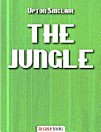
The Jungle portrays the harsh conditions and exploited lives of immigrants in the United States in Chicago and similar industrialized cities. The book depicts working-class poverty, the lack of social supports, harsh and unpleasant living and working conditions, and a hopelessness among many workers. The primary purpose of the novel in describing the meat industry and its working conditions was to advance socialism in the United States. The main character in the book, Jurgis Rudkus, a Lithuanian immigrant, tries to make ends meet in Chicago. The book begins with his wife Ona and his wedding feast. He and his family live near the stockyards and meatpacking district where many immigrants, who do not know much English, work. He takes a job at Brown's slaughterhouse. Jurgis had thought the US would offer more freedom, but he finds working-conditions harsh. He and his young wife struggle to survive as they fall deeply into debt and become prey to con men. Hoping to buy a house, they exhaust their savings on the down payment for a substandard slum house, which they cannot afford. The family is eventually evicted after their money is taken.
The Jungle portrays the harsh conditions and exploited lives of immigrants in the United States in Chicago and similar industrialized cities. The book depicts working-class poverty, the lack of social supports, harsh and unpleasant living and working conditions, and a hopelessness among many work...
Tutki lisää
Tietoja kirjoittajasta
Upton Sinclair, a lifelong vigorous socialist, first became well known with a powerful muckraking novel, The Jungle, in 1906. Refused by five publishers and finally published by Sinclair himself, it became an immediate bestseller, and inspired a government investigation of the Chicago stockyards, which led to much reform. In 1967 he was invited by President Lyndon Johnson to "witness the signing of the Wholesome Meat Act, which will gradually plug loopholes left by the first Federal meat inspection law" (N.Y. Times), a law Sinclair had helped to bring about. Newspapers, colleges, schools, churches, and industries have all been the subject of a Sinclair attack, analyzing and exposing their evils. Sinclair was not really a novelist, but a fearless and indefatigable journalist-crusader. All his early books are propaganda for his social reforms. When regular publishers boycotted his work, he published himself, usually at a financial loss. His 80 or so books have been translated into 47 languages, and his sales abroad, especially in the former Soviet Union, have been enormous.
Upton Sinclair, a lifelong vigorous socialist, first became well known with a powerful muckraking novel, The Jungle, in 1906. Refused by five publishers and finally published by Sinclair himself, it became an immediate bestseller, and inspired a government investigation of the Chicago stockyards,...
Arvioi tämä e-kirja
Kerro meille mielipiteesi.
Tietoa lukemisesta
Älypuhelimet ja tabletit
Asenna Google Play Kirjat ‑sovellus Androidille tai iPadille/iPhonelle. Se synkronoituu automaattisesti tilisi kanssa, jolloin voit lukea online- tai offline-tilassa missä tahansa oletkin.
Kannettavat ja pöytätietokoneet
Voit kuunnella Google Playsta ostettuja äänikirjoja tietokoneesi selaimella.
Lukulaitteet ja muut laitteet
Jos haluat lukea kirjoja sähköisellä lukulaitteella, esim. Kobo-lukulaitteella, sinun täytyy ladata tiedosto ja siirtää se laitteellesi. Siirrä tiedostoja tuettuihin lukulaitteisiin seuraamalla ohjekeskuksen ohjeita.