អំពីសៀវភៅអេឡិចត្រូនិកនេះ
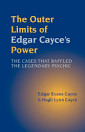
A complete guide to the work of the remarkable twentieth-century seer Edgar Cayce, featuring Cayce's most intriguing and influential readings, and a biographical introduction to his life.
Edgar Cayce is one of the most mysterious men of the twentieth century. Sometimes called "The Sleeping Prophet," he was prone to pick up taglines that reflected the sensationalistic side of his work rather than its real depth and meaning. The core of his life's work was actually being an intuitive healer and Christian mystic.
More than one hundred books have been written about his teachings and his life story. Yet no book has combined insightful commentary with lengthy, verbatim selections of the full range of his contribution to holistic healing, practical spirituality, and the psychology of the soul.
The Essential Edgar Cayce gives the reader an understanding of each major area in which Cayce helped pioneer the modern holistic living movement, as well as the contemporary popular approach to spirituality that weaves together the best of Eastern and Western religious traditions. The book's substantial introduction frames Cayce and his life's work, and is followed by eight topical sections in which commentaries by Mark Thurston guide the reader through some of the seer's most significant readings.
Here is a truly integral portrait of the life and work of one of the twentieth century's most fascinating spiritual figures.
A complete guide to the work of the remarkable twentieth-century seer Edgar Cayce, featuring Cayce's most intriguing and influential readings, and a biographical introduction to his life.
Edgar Cayce is one of the most mysterious men of the twentieth century. Sometimes called "The Sleeping Prop...
ស្វែងរកច្រើនទៀត
ការដាក់ផ្កាយ និងមតិវាយតម្លៃ
ការវាយតម្លៃ 2
អំពីអ្នកនិពន្ធ
Mark Thurston, PhD, is an educator, psychologist, and author of more than a dozen books about personal spirituality, dream psychology, meditation, and mind-body well-being. Among his publications are The Essential Edgar Cayce (2004) and Willing to Change: The Journey of Personal Transformation (2005). Mark worked for the Association for Research and Enlightenment (ARE) and for Atlantic University in Virginia Beach, Virginia, for thirty-six years. In 2009 he moved into a new phase of his own soul's purpose, becoming the director of educational programs for George Mason University's Center for the Advancement of Well-Being. In that capacity he focuses on teaching undergraduate and graduate courses about consciousness, mindfulness, and the science of well-being. Mark and his wife of many decades, Mary Elizabeth Lynch, are cofounders of the Personal Transformation and Courage Institute, a nonprofit educational organization begun in 2000 that offers small-group learning intensives. Mark and Mary Elizabeth are parents to two adult children.
Mark Thurston, PhD, is an educator, psychologist, and author of more than a dozen books about personal spirituality, dream psychology, meditation, and mind-body well-being. Among his publications are The Essential Edgar Cayce (2004) and Willing to Change: The Journey of Personal Transformation (2...
វាយតម្លៃសៀវភៅអេឡិចត្រូនិកនេះ
ប្រាប់យើងអំពីការយល់ឃើញរបស់អ្នក។
អានព័ត៌មាន
ទូរសព្ទឆ្លាតវៃ និងថេប្លេត
ដំឡើងកម្មវិធី Google Play Books សម្រាប់ Android និង iPad/iPhone ។ វាធ្វើសមកាលកម្មដោយស្វ័យប្រវត្តិជាមួយគណនីរបស់អ្នក និងអនុញ្ញាតឱ្យអ្នកអានពេលមានអ៊ីនធឺណិត ឬគ្មានអ៊ីនធឺណិតនៅគ្រប់ទីកន្លែង។
កុំព្យូទ័រយួរដៃ និងកុំព្យូទ័រ
អ្នកអាចស្ដាប់សៀវភៅជាសំឡេងដែលបានទិញនៅក្នុង Google Play ដោយប្រើកម្មវិធីរុករកតាមអ៊ីនធឺណិតក្នុងកុំព្យូទ័ររបស់អ្នក។
eReaders និងឧបករណ៍ផ្សេងទៀត
ដើម្បីអាននៅលើឧបករណ៍ e-ink ដូចជាឧបករណ៍អានសៀវភៅអេឡិចត្រូនិក Kobo អ្នកនឹងត្រូវទាញយកឯកសារ ហើយផ្ទេរវាទៅឧបករណ៍របស់អ្នក។ សូមអនុវត្តតាមការណែនាំលម្អិតរបស់មជ្ឈមណ្ឌលជំនួយ ដើម្បីផ្ទេរឯកសារទៅឧបករណ៍អានសៀវភៅអេឡិចត្រូនិកដែលស្គាល់។