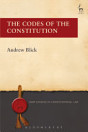
The Codes of the Constitution
កញ្ញា 2016 · Bloomsbury Publishing
សៀវភៅអេឡិចត្រូនិច
272
ទំព័រ
អំពីសៀវភៅអេឡិចត្រូនិកនេះ
This book describes an astounding feat of constitutional writing and publication. For a number of decades, officials working across different branches of the United Kingdom (UK) constitution have been engaged in a series of separate projects. Taken in their totality, they amount to a vast enterprise. Yet, until now, no-one has fully recognised or critically analysed what has taken place. There has been a proliferation in the UK of publicly available codes, normally lacking a basis in statute, providing official accounts of a variety of different features of UK constitutional rules and principles. They cover institutions ranging from the Cabinet to the Civil Service to the judiciary, and relationships between entities such as central government and the devolved executives; and between the UK executive and the Westminster Parliament. Among them are prominent texts such as the Ministerial Code, the Cabinet Manual, the Guide to Judicial Conduct and the devolution Memorandum of Understanding as well as more obscure documents that nonetheless contain important stipulations regarding the operation of the system. Similar developments have taken place in countries including Australia, Canada and New Zealand. The author explores the history of this phenomenon in the UK, how it functions today here and elsewhere in the Commonwealth, and its implications for the UK constitution.
This book describes an astounding feat of constitutional writing and publication. For a number of decades, officials working across different branches of the United Kingdom (UK) constitution have been engaged in a series of separate projects. Taken in their totality, they amount to a vast enterpr...
ស្វែងរកច្រើនទៀត
អំពីអ្នកនិពន្ធ
Andrew Blick is Lecturer in Politics and Contemporary History at King's College London.
Andrew Blick is Lecturer in Politics and Contemporary History at King's College London.
វាយតម្លៃសៀវភៅអេឡិចត្រូនិកនេះ
ប្រាប់យើងអំពីការយល់ឃើញរបស់អ្នក។
អានព័ត៌មាន
ទូរសព្ទឆ្លាតវៃ និងថេប្លេត
ដំឡើងកម្មវិធី Google Play Books សម្រាប់ Android និង iPad/iPhone ។ វាធ្វើសមកាលកម្មដោយស្វ័យប្រវត្តិជាមួយគណនីរបស់អ្នក និងអនុញ្ញាតឱ្យអ្នកអានពេលមានអ៊ីនធឺណិត ឬគ្មានអ៊ីនធឺណិតនៅគ្រប់ទីកន្លែង។
កុំព្យូទ័រយួរដៃ និងកុំព្យូទ័រ
អ្នកអាចស្ដាប់សៀវភៅជាសំឡេងដែលបានទិញនៅក្នុង Google Play ដោយប្រើកម្មវិធីរុករកតាមអ៊ីនធឺណិតក្នុងកុំព្យូទ័ររបស់អ្នក។
eReaders និងឧបករណ៍ផ្សេងទៀត
ដើម្បីអាននៅលើឧបករណ៍ e-ink ដូចជាឧបករណ៍អានសៀវភៅអេឡិចត្រូនិក Kobo អ្នកនឹងត្រូវទាញយកឯកសារ ហើយផ្ទេរវាទៅឧបករណ៍របស់អ្នក។ សូមអនុវត្តតាមការណែនាំលម្អិតរបស់មជ្ឈមណ្ឌលជំនួយ ដើម្បីផ្ទេរឯកសារទៅឧបករណ៍អានសៀវភៅអេឡិចត្រូនិកដែលស្គាល់។