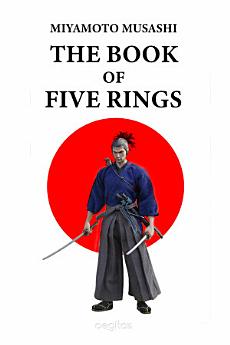
The Book of Five Rings

· Wisdom of War and Power Kitabu cha 16 · Aegitas
Maoni 4
Kitabu pepe
41
Kurasa
Kimetimiza masharti

Kuhusu kitabu pepe hiki

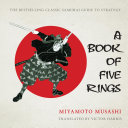
Author of this book – a famous Japanese samurai Miyamoto Musashi (c.1584–1645) who considered to having been one of the most skilled swordsmen in history. He participated in duels from a very young age and became legendary through his outstanding swordsmanship. He is the founder of the Hyōhō Niten Ichi-ryū or Niten-ryū style of swordsmanship. In this book, he shared his thoughts on strategy, tactics, and philosophy. Go Rin No Sho is the teachings that Musashi presented to his students in his own dojo. Despite a certain borrowing of ideas, the text is largely the original work of the great master. Depends on what you are looking to learn on strategy. While Art of War by Sun Tzu is technically based on military strategies on armies fighting each other, and The Book of Five Rings and is about confrontation between people. They complement each other perfectly.
Author of this book – a famous Japanese samurai Miyamoto Musashi (c.1584–1645) who considered to having been one of the most skilled swordsmen in history. He participated in duels from a very young age and became legendary through his outstanding swordsmanship. He is the founder of the Hyōhō Nite...

Gundua zaidi

Ukadiriaji na maoni

Maoni 4

Kuhusu mwandishi

Miyamoto Musashi (c. 1584 – June 13, 1645) was a legendary Japanese swordsman, strategist, artist, and writer, widely considered one of the greatest samurai in Japanese history. He became famous for his unique double-bladed swordsmanship and an undefeated record in over 60 duels, many of which were to the death. Musashi began his career as a fighter at the age of 13, when he killed an opponent in single combat. He participated in the Battle of Sekigahara in 1600, fighting on the losing side, and later became a rōnin, or masterless samurai.

Musashi developed the Niten Ichi-ryū (or Nitō Ichi-ryū) style, which involved wielding two swords simultaneously—a technique that gave him a significant advantage and is still admired today. His most famous duel was against Sasaki Kojirō in 1612, where Musashi defeated his rival using a wooden sword he had carved from an oar. After this victory, he gradually retired from dueling, focusing on teaching, philosophy, and the arts.

In his later years, Musashi became a respected artist, known for his powerful monochrome ink paintings, particularly of birds. He also authored The Book of Five Rings (Go Rin No Sho), a treatise on strategy, martial arts, and philosophy, which remains influential not only among martial artists but also in business and leadership circles. Another work, Dokkōdō (The Path of Aloneness), reflects his personal philosophy in concise aphorisms1.

Musashi’s legacy endures in Japanese culture and beyond, as he is revered as a kensei, or “sword saint,” and his teachings continue to inspire people seeking mastery, discipline, and self-reliance.


Miyamoto Musashi (c. 1584 – June 13, 1645) was a legendary Japanese swordsman, strategist, artist, and writer, widely considered one of the greatest samurai in Japanese history. He became famous for his unique double-bladed swordsmanship and an undefeated record in over 60 duels, many of which we...

Kadiria kitabu pepe hiki

Tupe maoni yako.

Kusoma maelezo

Simu mahiri na kompyuta vibao
Sakinisha programu ya Vitabu vya Google Play kwa ajili ya Android na iPad au iPhone. Itasawazishwa kiotomatiki kwenye akaunti yako na kukuruhusu usome vitabu mtandaoni au nje ya mtandao popote ulipo.
Kompyuta za kupakata na kompyuta
Unaweza kusikiliza vitabu vilivyonunuliwa kwenye Google Play wakati unatumia kivinjari cha kompyuta yako.
Visomaji pepe na vifaa vingine
Ili usome kwenye vifaa vya wino pepe kama vile visomaji vya vitabu pepe vya Kobo, utahitaji kupakua faili kisha ulihamishie kwenye kifaa chako. Fuatilia maagizo ya kina ya Kituo cha Usaidizi ili uhamishe faili kwenye visomaji vya vitabu pepe vinavyotumika.

Endelea na mfululizo

Zaidi kutoka kwa Miyamoto Musashi

Vitabu pepe vinavyofanana