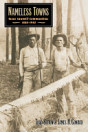
Nameless Towns: Texas Sawmill Communities, 1880-1942
About this ebook
Drawing on oral history, company records, and other archival sources, Sitton and Conrad recreate the lifeways of the sawmill communities. They describe the companies that ran the mills and the different kinds of jobs involved in logging and milling. They depict the usually rough-hewn towns, with their central mill, unpainted houses, company store, and schools, churches, and community centers. And they characterize the lives of the people, from the hard, awesomely dangerous mill work to the dances, picnics, and other recreations that offered welcome diversions.
Discover more
Ratings and reviews
About the author
Thad Sitton is a historian of anthropological background and training, specializing in studies of rural Texas during the first half of the twentieth century. Three of Sitton’s books won the coveted T. R. Fehrenbach Award of the Texas Historical Commission, and his history of freedmen’s settlements received a major prize from the Texas Institute of Letters. In 2001, he received the Thomas L. Charlton Lifetime Achievement Award from the Texas Oral History Association.
Until his retirement, James H. Conrad worked as an oral historian, librarian, and archivist at Texas A&M University–Commerce. In 2002, he received the Thomas L. Charlton Lifetime Achievement Award from the Texas Oral History Association.