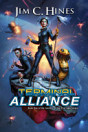
Terminal Uprising
ফেব্ৰু ২০১৯ · Janitors of the Post-Apocalypse কিতাপ 2 · Astra Publishing House
star
২ টা পৰ্যালোচনা
ইবুক
336
পৃষ্ঠা
সঁজুলিবোৰ
info
এই ইবুকখনৰ বিষয়ে
Hugo award-winning author Hines returns to science fiction with the second book of the Janitors of the Post-Apocalypse, featuring the unlikely heroes that may just save the galaxy from a zombie plague.
Human civilization didn’t just fall. It was pushed.
The Krakau came to Earth in the year 2104. By 2105, humanity had been reduced to shambling, feral monsters. In the Krakau’s defense, it was an accident, and a century later, they did come back and try to fix us. Sort of.
It’s been four months since Marion “Mops” Adamopoulos learned the truth of that accident. Four months since she and her team of hygiene and sanitation specialists stole the EMCS Pufferfish and stopped a bioterrorism attack against the Krakau homeworld. Four months since she set out to find proof of what really happened on Earth all those years ago.
Between trying to protect their secrets and fighting the xenocidal Prodryans, who’ve been escalating their war against everyone who isn’t Prodryan, the Krakau have their tentacles full.
Mops’ mission changes when she learns of a secret Krakau laboratory on Earth. A small group under command of Fleet Admiral Belle-Bonne Sage is working to create a new weapon, one that could bring victory over the Prodryans … or drown the galaxy in chaos.
To discover the truth, Mops and her rogue cleaning crew will have to do the one thing she fears most: return to Earth, a world overrun by feral apes, wild dogs, savage humans, and worse. (After all, the planet hasn’t been cleaned in a century and a half!) What Mops finds in the filthy ruins of humanity could change everything, assuming she survives long enough to share it.
Perhaps humanity isn’t as dead as the galaxy thought.
Human civilization didn’t just fall. It was pushed.
The Krakau came to Earth in the year 2104. By 2105, humanity had been reduced to shambling, feral monsters. In the Krakau’s defense, it was an accident, and a century later, they did come back and try to fix us. Sort of.
It’s been four months since Marion “Mops” Adamopoulos learned the truth of that accident. Four months since she and her team of hygiene and sanitation specialists stole the EMCS Pufferfish and stopped a bioterrorism attack against the Krakau homeworld. Four months since she set out to find proof of what really happened on Earth all those years ago.
Between trying to protect their secrets and fighting the xenocidal Prodryans, who’ve been escalating their war against everyone who isn’t Prodryan, the Krakau have their tentacles full.
Mops’ mission changes when she learns of a secret Krakau laboratory on Earth. A small group under command of Fleet Admiral Belle-Bonne Sage is working to create a new weapon, one that could bring victory over the Prodryans … or drown the galaxy in chaos.
To discover the truth, Mops and her rogue cleaning crew will have to do the one thing she fears most: return to Earth, a world overrun by feral apes, wild dogs, savage humans, and worse. (After all, the planet hasn’t been cleaned in a century and a half!) What Mops finds in the filthy ruins of humanity could change everything, assuming she survives long enough to share it.
Perhaps humanity isn’t as dead as the galaxy thought.
Hugo award-winning author Hines returns to science fiction with the second book of the Janitors of the Post-Apocalypse, featuring the unlikely heroes that may just save the galaxy from a zombie plague.
Human civilization didn’t just fall. It was pushed.
The Krakau came to Earth in the year 210...
অধিক বিচাৰি পাওক
মূল্যাংকন আৰু পৰ্যালোচনাসমূহ
২ টা পৰ্যালোচনা
লিখকৰ বিষয়ে
Jim C. Hines has published more than forty short stories as well as numerous fantasy and sci-fi novels, including the humorous Jig the Dragonslayer trilogy; the Princess series, which re-imagines traditional fairy-tale princesses as butt-kicking action heroines; and the Magic Ex Libris series, about a centuries-old secret society dedicated to the use and control of book magic. In 2012, he won the Hugo for Best Fan Writer.
Jim C. Hines has published more than forty short stories as well as numerous fantasy and sci-fi novels, including the humorous Jig the Dragonslayer trilogy; the Princess series, which re-imagines traditional fairy-tale princesses as butt-kicking action heroines; and the Magic Ex Libris series, ab...
এই ইবুকখনক মূল্যাংকন কৰক
আমাক আপোনাৰ মতামত জনাওক।
পঢ়াৰ নির্দেশাৱলী
স্মাৰ্টফ’ন আৰু টেবলেট
Android আৰু iPad/iPhoneৰ বাবে Google Play Books এপটো ইনষ্টল কৰক। ই স্বয়ংক্রিয়ভাৱে আপোনাৰ একাউণ্টৰ সৈতে ছিংক হয় আৰু আপুনি য'তে নাথাকক ত'তেই কোনো অডিঅ'বুক অনলাইন বা অফলাইনত শুনিবলৈ সুবিধা দিয়ে।
লেপটপ আৰু কম্পিউটাৰ
আপুনি কম্পিউটাৰৰ ৱেব ব্রাউজাৰ ব্যৱহাৰ কৰি Google Playত কিনা অডিঅ'বুকসমূহ শুনিব পাৰে।
ই-ৰীডাৰ আৰু অন্য ডিভাইচ
Kobo eReadersৰ দৰে ই-চিয়াঁহীৰ ডিভাইচসমূহত পঢ়িবলৈ, আপুনি এটা ফাইল ডাউনল’ড কৰি সেইটো আপোনাৰ ডিভাইচলৈ স্থানান্তৰণ কৰিব লাগিব। সমৰ্থিত ই-ৰিডাৰলৈ ফাইলটো কেনেকৈ স্থানান্তৰ কৰিব জানিবলৈ সহায় কেন্দ্ৰত থকা সবিশেষ নিৰ্দেশাৱলী চাওক।