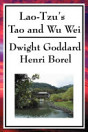
Tao Te Ching (Legge)
ก.พ. 2013 · ขายโดย Simon and Schuster
star
1 รีวิว
eBook
31
หน้า
family_home
มีสิทธิ์
info
เกี่ยวกับ eBook เล่มนี้
The Tao Te Ching is a spiritual, inspirational work that guides us through life, helping us to live within each moment and find the beauty that is all around each of us. Simple, beautiful, and life changing. The Tao Te Ching is fundamental to the Taoist school of Chinese philosophy (Dàojia), and strongly influenced other schools, such as Legalism and Neo-Confucianism. This ancient book is also central in Chinese Buddhism, which when first introduced into China was largely interpreted through the use of Taoist words and concepts. Many Chinese artists, including poets, painters, calligraphers, and even gardeners, have used the Tao Te Ching as a source of inspiration.
The Tao Te Ching is a spiritual, inspirational work that guides us through life, helping us to live within each moment and find the beauty that is all around each of us. Simple, beautiful, and life changing. The Tao Te Ching is fundamental to the Taoist school of Chinese philosophy (Dàojia), and ...
การให้คะแนนและรีวิว
1 รีวิว
ให้คะแนน eBook นี้
แสดงความเห็นของคุณให้เรารับรู้
ข้อมูลในการอ่าน
สมาร์ทโฟนและแท็บเล็ต
ติดตั้งแอป Google Play Books สำหรับ Android และ iPad/iPhone แอปจะซิงค์โดยอัตโนมัติกับบัญชีของคุณ และช่วยให้คุณอ่านแบบออนไลน์หรือออฟไลน์ได้ทุกที่
แล็ปท็อปและคอมพิวเตอร์
คุณฟังหนังสือเสียงที่ซื้อจาก Google Play โดยใช้เว็บเบราว์เซอร์ในคอมพิวเตอร์ได้
eReader และอุปกรณ์อื่นๆ
หากต้องการอ่านบนอุปกรณ์ e-ink เช่น Kobo eReader คุณจะต้องดาวน์โหลดและโอนไฟล์ไปยังอุปกรณ์ของคุณ โปรดทำตามวิธีการอย่างละเอียดในศูนย์ช่วยเหลือเพื่อโอนไฟล์ไปยัง eReader ที่รองรับ