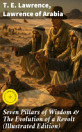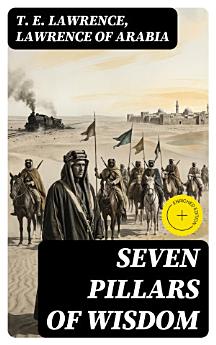
Seven Pillars of Wisdom: Enriched edition. Including "The Evolution of Arab Revolt" (Complete Edition with Illustrations)
T. E. Lawrence · Lawrence of Arabia
Nov 2022 · DigiCat
Ebook
840
Pages
family_home
Eligible
info
About this ebook
The anthology 'Seven Pillars of Wisdom' offers a profound exploration of the multifaceted experiences and cultural landscapes encountered by T. E. Lawrence, famously known as Lawrence of Arabia. This collection is an amalgamation of autobiographical accounts, historical narratives, and philosophical musings, presenting a diverse tapestry of literary styles ranging from evocative prose to poignant reflections. Through its pages, the collection navigates the complexities of cross-cultural interactions and identity, capturing the essence of early 20th-century Middle Eastern dynamics without being tethered to a singular perspective. The contributors to this anthology, especially Lawrence himself, draw from rich and varied backgrounds, integrating the nuances of their experiences into this cohesive work. His influence in the historical and cultural context of the Middle East during World War I is unmatched, making this collection an invaluable contribution to the historical literature. Aligning with both colonial and post-colonial discourses, the voices within this anthology engage with themes of heroism, allegiance, and cultural empathy, encapsulating the transformative power of shared narratives and varied viewpoints. 'Seven Pillars of Wisdom' is a must-read for anyone intrigued by the interplay of history, culture, and personal narrative. It offers readers a unique opportunity to engage with a collection that not only provides historical insights but also encourages reflection on the themes of conflict and coexistence. This anthology is an essential resource for those seeking a deeper understanding of the diverse perspectives and experiences that define this pivotal time in history, making it a valuable addition to any literary or historical collection. In this enriched edition, we have carefully created added value for your reading experience: - A succinct Introduction situates the work's timeless appeal and themes. - The Synopsis outlines the central plot, highlighting key developments without spoiling critical twists. - A detailed Historical Context immerses you in the era's events and influences that shaped the writing. - An Author Biography reveals milestones in the author's life, illuminating the personal insights behind the text. - A thorough Analysis dissects symbols, motifs, and character arcs to unearth underlying meanings. - Reflection questions prompt you to engage personally with the work's messages, connecting them to modern life. - Hand‐picked Memorable Quotes shine a spotlight on moments of literary brilliance. - Interactive footnotes clarify unusual references, historical allusions, and archaic phrases for an effortless, more informed read.
The anthology 'Seven Pillars of Wisdom' offers a profound exploration of the multifaceted experiences and cultural landscapes encountered by T. E. Lawrence, famously known as Lawrence of Arabia. This collection is an amalgamation of autobiographical accounts, historical narratives, and philosophi...
Discover more
About the author
Thomas Edward Lawrence, best known as T. E. Lawrence, and oftentimes referred to as Lawrence of Arabia, was a British archaeological scholar, military strategist, and writer. Born on August 16, 1888, in Tremadog, Wales, Lawrence's experiences as a British liaison officer in the Middle East during the First World War formed the basis for his most acclaimed work, 'Seven Pillars of Wisdom' (1926). This literary masterpiece blends history, philosophy, and adventure, recounting the Arab Revolt against the Ottoman Empire and weaving a compelling narrative rich in vivid character portrayals and acute perceptions of the desert landscape. Lawrence's influential role in the Arab Revolt, coupled with his extensive knowledge of Arab affairs, earned him international fame. He wrote extensively on his views of the Middle East, but 'Seven Pillars' remains his most influential and enduring literary contribution, offering insights into guerrilla warfare and the complex socio-political dynamics of the region. An astute observer of culture and a gifted storyteller, Lawrence's style is characterized by an eloquent prose that captures the extremities of war and the nuances of Middle Eastern politics. His writings not only shaped Western perceptions of the Middle East but also influenced military tactics and international relations. Following his untimely death in a motorcycle accident on May 19, 1935, Lawrence's legacy continues to provoke both admiration and controversy, cementing his place as a significant figure in twentieth-century history and literature.
Thomas Edward Lawrence, best known as T. E. Lawrence, and oftentimes referred to as Lawrence of Arabia, was a British archaeological scholar, military strategist, and writer. Born on August 16, 1888, in Tremadog, Wales, Lawrence's experiences as a British liaison officer in the Middle East during...
Rate this ebook
Tell us what you think.
Reading information
Smartphones and tablets
Install the Google Play Books app for Android and iPad/iPhone. It syncs automatically with your account and allows you to read online or offline wherever you are.
Laptops and computers
You can listen to audiobooks purchased on Google Play using your computer's web browser.
eReaders and other devices
To read on e-ink devices like Kobo eReaders, you'll need to download a file and transfer it to your device. Follow the detailed Help Center instructions to transfer the files to supported eReaders.