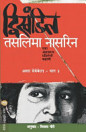
ANDHARATIL DIVAS- TASLIMA NASREEN, VILAG GITYE | अंधारातील दिवस - तसलिमा नासरिन, विलास गीते
About this ebook
Due to the anti-Islam content in Taslima Nasrin's novel 'Lajja', fundamentalists created a furore in Bangladesh. Against this backdrop, Taslima visited France, and she recounts this visit in this part of her autobiography. The book also describes the non-bailable arrest warrant issued against her by the police upon her return from France, her subsequent escape to avoid arrest, the various houses where she sought refuge during that time, her life during those days, her mental anguish, her struggles, the demonstrations and bloodshed orchestrated by fundamentalists demanding her execution, the efforts of Taslima's lawyers to secure her bail, the ineffectiveness of those opposing the fundamentalists, the support raised by some countries, including the United States, for Taslima's safety, and finally, the bail granted to her on the condition that she leave Bangladesh, and her subsequent forced exile from the country. It is a poignant and chilling narrative of these events.
Discover more
About the author
Taslima Nasrin was born in Mymensingh, East Pakistan (now Bangladesh). She received her education in Mymensingh, up to the MBBS degree, and became a doctor. Her literary career began with poetry. While working at a government hospital in Dhaka, she started writing prose alongside poetry. Her column writing on women's issues in Dhaka newspapers and magazines sharpened her writing skills and made her a subject of discussion as a writer. Poet, columnist, novelist, and feminist, Taslima is now well-known throughout the world. Besides several books of poetry, her published works include: 'Nirbachita Kalam', 'Aparpaksha', 'Lajja', 'Phera', etc. Her most recent book of poetry is 'Nirbasita Narir Kabita'. Taslima's novel 'Lajja' has been published in more than twelve European languages. She has received numerous awards, including the 'Sakharov Prize' and the 'Ananda Award'. Her book 'Amar Meyebela' was first translated from Bengali into Persian. Taslima Nasrin had to leave her country five years ago. She currently resides in Europe.