Plastic: A Toxic Love Story
Mar 2011 · Sold by HarperCollins
star
3 reviews
Ebook
336
Pages
family_home
Eligible
info
About this ebook
Plastic built the modern world. Where would we be without bike helmets, baggies, toothbrushes, and pacemakers? But a century into our love affair with plastic, we’re starting to realize it’s not such a healthy relationship. Plastics draw on dwindling fossil fuels, leach harmful chemicals, litter landscapes, and destroy marine life. As journalist Susan Freinkel points out in this engaging and eye-opening book, we’re nearing a crisis point. We’ve produced as much plastic in the past decade as we did in the entire twentieth century. We’re drowning in the stuff, and we need to start making some hard choices.
Freinkel gives us the tools we need with a blend of lively anecdotes and analysis. She combs through scientific studies and economic data, reporting from China and across the United States to assess the real impact of plastic on our lives. She tells her story through eight familiar plastic objects: comb, chair, Frisbee, IV bag, disposable lighter, grocery bag, soda bottle, and credit card. Her conclusion: we cannot stay on our plastic-paved path. And we don’t have to. Plastic points the way toward a new creative partnership with the material we love to hate but can’t seem to live without.
Freinkel gives us the tools we need with a blend of lively anecdotes and analysis. She combs through scientific studies and economic data, reporting from China and across the United States to assess the real impact of plastic on our lives. She tells her story through eight familiar plastic objects: comb, chair, Frisbee, IV bag, disposable lighter, grocery bag, soda bottle, and credit card. Her conclusion: we cannot stay on our plastic-paved path. And we don’t have to. Plastic points the way toward a new creative partnership with the material we love to hate but can’t seem to live without.
Plastic built the modern world. Where would we be without bike helmets, baggies, toothbrushes, and pacemakers? But a century into our love affair with plastic, we’re starting to realize it’s not such a healthy relationship. Plastics draw on dwindling fossil fuels, leach harmful chemicals, litter ...
Discover more
Ratings and reviews
3 reviews

A Google user
- Flag inappropriate
Amazingly well-written and, even more amazingly, not _completely_ depressing though Freinkel does not shy away from the magnitude of the implications of our troubling relationship with and dependence on plastic, which now saturates the planet a brief century after its invention. I learned a lot from this book & appreciated her 8 familiar objects exigesis very much; she wields each item usefully in order to produce some in-depth and trenchant social criticism. A much more sophisticated approach to the topic than e.g. Mary Roach would have taken. I find I even want to read The American Chestnut now even though that topic isn't nearly as interesting to me as plastic!
A Google user
- Flag inappropriate
April 20, 2012
it sucked
About the author
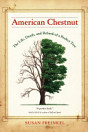
SUSAN FREINKEL has written for the New York Times, Discover, Smithsonian, and Health, among other publications. She is the author of The American Chestnut, which Mary Roach called “a perfect book” and Richard Preston described as “a beautifully written account” filled with “top-notch” writing and reporting.
SUSAN FREINKEL has written for the New York Times, Discover, Smithsonian, and Health, among other publications. She is the author of The American Chestnut, which Mary Roach called “a perfect book” and Richard Preston described as “a beautifully written account” filled with “top-notch” writing and...
Rate this ebook
Tell us what you think.
Reading information
Smartphones and tablets
Install the Google Play Books app for Android and iPad/iPhone. It syncs automatically with your account and allows you to read online or offline wherever you are.
Laptops and computers
You can listen to audiobooks purchased on Google Play using your computer's web browser.
eReaders and other devices
To read on e-ink devices like Kobo eReaders, you'll need to download a file and transfer it to your device. Follow the detailed Help Center instructions to transfer the files to supported eReaders.