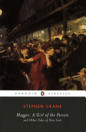
The Red Badge of Courage: Demanding Ebook Book
About this ebook
The novel focuses on Henry's internal conflict, as he battles with his own cowardice and shame, ultimately seeking redemption. The "red badge" of courage becomes a symbol not just for physical wounds, but for the emotional and psychological scars inflicted by war. Through his struggle, readers are offered a powerful exploration of human nature, the psychology of conflict, and the profound impact of war on a soldier’s psyche.
Through Stephen Crane’s masterful use of free indirect discourse, readers gain an intimate understanding of Henry’s thoughts and emotions, which enhances the connection to his journey. The novel’s spare, impactful prose mirrors the harsh and unforgiving environment of the battlefield, while highlighting the complexities of fear, courage, and identity. The Red Badge of Courage is a timeless classic that resonates with its themes of loss, redemption, and personal growth, making it a must-read for anyone interested in the psychological effects of war and the human condition.
Discover more
About the author
Stephen Crane, the esteemed author of The Red Badge of Courage, is widely known for his remarkable ability to delve into the psychological effects of war and explore the complexities of fear and bravery. His vivid portrayal of soldier’s internal conflict during the American Civil War offers readers a profound look into the psychological growth in war and the impact of conflict on soldiers. Crane’s use of free indirect discourse creates an intimate connection between readers and his protagonist, allowing them to experience the soldier’s psychology firsthand.
The Red Badge of Courage is a psychological war novel that focuses on the internal struggle of a young soldier, highlighting themes of courage and cowardice in the face of war. Crane’s mastery in capturing the raw emotions and fear experienced by soldiers has made his work a critical piece in war literature. His exploration of heroism and cowardice in such a brutal setting makes this book a cornerstone of American classic literature, exploring how war’s impact on soldiers shapes identity and self-discovery.