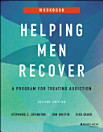
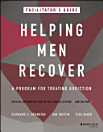
Helping Men Recover: A Program for Treating Addiction, Facilitator's Guide, Edition 2
About this ebook
Now in its second edition, Helping Men Recover: A Program for Treating Addiction is a comprehensive resource for drug and alcohol counselors, program administrators, and mental health professionals working in outpatient, residential, and community-based treatment centers. Presented in a twenty-one session format, the facilitator’s guide provides a step-by-step manual containing the theory, structure, and content required to run effective and therapeutic groups.
Helping Men Recover, Second Edition offers:
- New research, language, and content that addresses the opioid addiction crisis, LGBTQ+ inclusivity, male body image, and other issues
- Four modules that address the self, relationships, sexuality, and spirituality, all of which are areas that recovering men have identified as triggers for relapse and as necessary for growth and healing
- User-friendly and self-instructive materials designed to put participant and facilitator focus on the therapeutic process
- Three additional sessions with new exercises
An essential update to a best-selling work in the field of addiction treatment, Helping Men Recover cements this text’s position as the go-to manual for men’s addiction and delivers a gender-responsive and trauma-informed treatment program ideal for practitioners everywhere.
About the author
STEPHANIE S. COVINGTON, PhD, LCSW, is an internationally recognized clinician, author, and organizational consultant known for her pioneering work on the gender-informed treatment of addiction and trauma. She has over 30 years of experience in the design and implementation of treatment services in public, private, and institutional settings. She has published extensively, including Exploring Trauma+: A Brief Intervention for Men and Gender-Diverse People, Helping Women Recover: A Program for Treating Addiction, and A Young Man’ Guide to Self-Mastery. She has worked in many countries to help institutions and programs develop gender-responsive and trauma-informed services.
Dan Griffin, MA, has worked in the addictions and mental health fields for more than 25 years, with a particular focus on masculinity. He is the author of A Man’s Way Through the Twelve Steps, A Man’s Way through Relationships, Amazing Dads, and Healing Men’s Pain. Dan’s graduate work focused on the transformation of masculinity in the Twelve Step culture. He is an international speaker and consultant who lives in LA with his wife and daughter. He has been in recovery since 1994.
Rick Dauer, LADC, is a behavioral health consultant and trainer. He has been a professional in the field of addiction since 1984 and has experience in residential, outpatient, and corrections-based treatment programs, including over 25 years as a clinical director. He has served on numerous state and national boards, panels, and task forces dedicated to improving access to high-quality substance use disorder services. He has long been an advocate for and practitioner of gender-responsive and trauma-informed care and he supervised the first pilot programs for both the Helping Women Recover and Helping Men Recover curricula. Rick lives in Saint Paul, Minnesota, and has been in recovery for over 40 years.