About this ebook
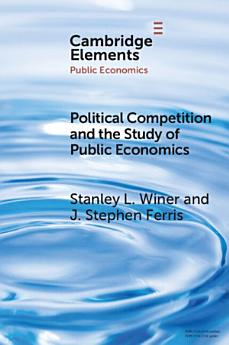
Why is an understanding of political competition essential for the study of public economics and public policy generally? How can political competition be described and understood, and how does it differ from its strictly economic counterpart? What are the implications of the fact that policy proposals in a democracy must always pass a political test? What are the strengths and weaknesses of electoral competition as a mechanism for the allocation of economic resources? Why are tax structures in democratic polities so complicated, and what implications follow from this for normative views about good policy choice? How can the intensity of political competition be measured, why and how does it vary in mature democracies, and what are the consequences? This Element considers how answers to these questions can be approached, while also illustrating some of the interesting theoretical and empirical work that has been done on them.
Why is an understanding of political competition essential for the study of public economics and public policy generally? How can political competition be described and understood, and how does it differ from its strictly economic counterpart? What are the implications of the fact that policy pro...
Discover more
Rate this ebook
Tell us what you think.
Reading information
Smartphones and tablets
Install the Google Play Books app for Android and iPad/iPhone. It syncs automatically with your account and allows you to read online or offline wherever you are.
Laptops and computers
You can listen to audiobooks purchased on Google Play using your computer's web browser.
eReaders and other devices
To read on e-ink devices like Kobo eReaders, you'll need to download a file and transfer it to your device. Follow the detailed Help Center instructions to transfer the files to supported eReaders.