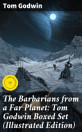
Space Prison
Tom Godwin
ନଭେମ୍ବର 2022 · DigiCat
ଇବୁକ୍
119
ପୃଷ୍ଠାଗୁଡ଼ିକ
family_home
ଯୋଗ୍ୟ
info
ଏହି ଇବୁକ୍ ବିଷୟରେ
In "Space Prison," Tom Godwin weaves a captivating narrative set in a dystopian future where humanity's remnants are housed in a fortified prison on a distant planet. The novel intricately explores themes of survival, morality, and social order, skillfully combining elements of science fiction with a psychological thriller. Godwin's prose is sharp and evocative, echoing the literary zeitgeist of the late 1950s when the genre was grappling with existential questions posed by rapid technological advancements and societal changes. Through meticulously crafted characters and a tension-filled plot, Godwin invites readers to reflect on the nature of freedom and the human condition under extreme circumstances. Tom Godwin, renowned for his contributions to science fiction, is best known for his thought-provoking narratives that often tackle complex ethical dilemmas. His experiences as an engineer and his understanding of scientific principles influenced his writing. "Space Prison" emerged during a time when the genre was becoming more sophisticated, possibly reflecting Godwin's desire to delve deeper into the psychology of imprisoned souls juxtaposed against the vastness of space, revealing both human frailty and resilience. Readers who appreciate speculative fiction that challenges societal norms will find "Space Prison" an indispensable addition to their library. Godwin's blend of action, philosophy, and socio-political commentary not only entertains but also provokes critical thought about the implications of confinement and the inherent drive for freedom. This novel remains a poignant and relevant exploration of humanity's darkest and most hopeful aspects.
In "Space Prison," Tom Godwin weaves a captivating narrative set in a dystopian future where humanity's remnants are housed in a fortified prison on a distant planet. The novel intricately explores themes of survival, morality, and social order, skillfully combining elements of science fiction wi...
ଅଧିକ ଡିସ୍କଭର କରନ୍ତୁ
ଲେଖକଙ୍କ ବିଷୟରେ
Tom Godwin (1915–1980) was a notable science fiction writer, known primarily for his hard science fiction style, which is deftly exemplified in his most famous work, 'Space Prison' (originally published as 'The Survivors' in 1958). Godwin penned stories that explored the harsh realities and moral complexities of space exploration and survival against unforgiving environments. 'Space Prison' captures Godwin's ability to weave human grit and ingenuity into the fabric of an unfriendly universe, as it follows the saga of a group of humans abandoned on a hostile planet, where they are forced to adapt and overcome incredible odds. This novel, alongside his others, presents themes of persistence, resilience, and the indefatigable human spirit. Godwin's stories often featured characters who were challenged with tough ethical choices, as showcased in his famous short story 'The Cold Equations,' where a stark situation unfolds with inexorable logic. His works reflect a mastery of tension and an understanding of the science fictional 'what if' scenarios that lie at the heart of the genre. Although he was not as prolific as some of his contemporaries, Godwin's contributions have left a mark on science fiction, influencing later works that tackle similar themes. His literary style, characterized by austere prose and a focus on narrative over characterization, lent itself well to the often grim situations he portrayed, leaving a legacy that continues to garner interest and respect among aficionados of classic science fiction.
Tom Godwin (1915–1980) was a notable science fiction writer, known primarily for his hard science fiction style, which is deftly exemplified in his most famous work, 'Space Prison' (originally published as 'The Survivors' in 1958). Godwin penned stories that explored the harsh realities and moral...
ଏହି ଇବୁକ୍କୁ ମୂଲ୍ୟାଙ୍କନ କରନ୍ତୁ
ଆପଣ କଣ ଭାବୁଛନ୍ତି ତାହା ଆମକୁ ଜଣାନ୍ତୁ।
ପଢ଼ିବା ପାଇଁ ତଥ୍ୟ
ସ୍ମାର୍ଟଫୋନ ଓ ଟାବଲେଟ
Google Play Books ଆପ୍କୁ, Android ଓ iPad/iPhone ପାଇଁ ଇନଷ୍ଟଲ୍ କରନ୍ତୁ। ଏହା ସ୍ଵଚାଳିତ ଭାବେ ଆପଣଙ୍କ ଆକାଉଣ୍ଟରେ ସିଙ୍କ ହୋଇଯିବ ଏବଂ ଆପଣ ଯେଉଁଠି ଥାଆନ୍ତୁ ନା କାହିଁକି ଆନଲାଇନ୍ କିମ୍ବା ଅଫଲାଇନ୍ରେ ପଢ଼ିବା ପାଇଁ ଅନୁମତି ଦେବ।
ଲାପଟପ ଓ କମ୍ପ୍ୟୁଟର
ନିଜର କମ୍ପ୍ୟୁଟର୍ରେ ଥିବା ୱେବ୍ ବ୍ରାଉଜର୍କୁ ବ୍ୟବହାର କରି Google Playରୁ କିଣିଥିବା ଅଡିଓବୁକ୍କୁ ଆପଣ ଶୁଣିପାରିବେ।
ଇ-ରିଡର୍ ଓ ଅନ୍ୟ ଡିଭାଇସ୍ଗୁଡ଼ିକ
Kobo eReaders ପରି e-ink ଡିଭାଇସଗୁଡ଼ିକରେ ପଢ଼ିବା ପାଇଁ, ଆପଣଙ୍କୁ ଏକ ଫାଇଲ ଡାଉନଲୋଡ କରି ଏହାକୁ ଆପଣଙ୍କ ଡିଭାଇସକୁ ଟ୍ରାନ୍ସଫର କରିବାକୁ ହେବ। ସମର୍ଥିତ eReadersକୁ ଫାଇଲଗୁଡ଼ିକ ଟ୍ରାନ୍ସଫର କରିବା ପାଇଁ ସହାୟତା କେନ୍ଦ୍ରରେ ଥିବା ସବିଶେଷ ନିର୍ଦ୍ଦେଶାବଳୀକୁ ଅନୁସରଣ କରନ୍ତୁ।