关于此电子书
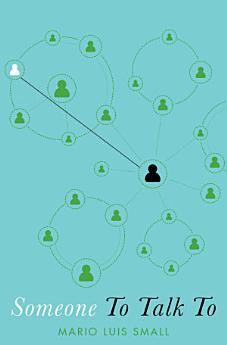
When people are facing difficulties, they often feel the need for a confidant-a person to vent to or a sympathetic ear with whom to talk things through. How do they decide on whom to rely? In theory, the answer seems obvious: if the matter is personal, they will turn to a spouse, a family member, or someone close. In practice, what people actually do often belies these expectations. In Someone To Talk To, Mario Luis Small follows a group of graduate students as they cope with stress, overwork, self-doubt, failure, relationships, children, health care, and poverty. He unravels how they decide whom to turn to for support. And he then confirms his findings based on representative national data on adult Americans. Small shows that rather than consistently relying on their "strong ties," Americans often take pains to avoid close friends and family, as these relationships are both complex and fraught with expectations. In contrast, they often confide in "weak ties," as the need for understanding or empathy trumps their fear of misplaced trust. In fact, people may find themselves confiding in acquaintances and even strangers unexpectedly, without having reflected on the consequences. Someone To Talk To reveals the often counter-intuitive nature of social support, helping us understand when people will keep depression secret from their close ones, why people may avoid reporting sexual assault, how people may decide whom to come out to, and why even competitors can be among a person's best confidants. Amid a growing wave of big data and large-scale network analysis, Small returns to the basic questions of whom we connect with, how, and why, upending decades of conventional wisdom on how we should think about and analyze social networks.
When people are facing difficulties, they often feel the need for a confidant-a person to vent to or a sympathetic ear with whom to talk things through. How do they decide on whom to rely? In theory, the answer seems obvious: if the matter is personal, they will turn to a spouse, a family member,...
作者简介
Mario L. Small, Grafstein Professor of Sociology at Harvard University, is an expert on poverty, personal networks, cities, and social science methods. He is the author of Villa Victoria: The Transformation of Social Capital in a Boston Barrio and Unanticipated Gains: Origins of Network Inequality in Everyday Life.
Mario L. Small, Grafstein Professor of Sociology at Harvard University, is an expert on poverty, personal networks, cities, and social science methods. He is the author of Villa Victoria: The Transformation of Social Capital in a Boston Barrio and Unanticipated Gains: Origins of Network Inequalit...
为此电子书评分
欢迎向我们提供反馈意见。
如何阅读
智能手机和平板电脑
笔记本电脑和台式机
您可以使用计算机的网络浏览器聆听您在 Google Play 购买的有声读物。
电子阅读器和其他设备
如果要在 Kobo 电子阅读器等电子墨水屏设备上阅读,您需要下载一个文件,并将其传输到相应设备上。若要将文件传输到受支持的电子阅读器上,请按帮助中心内的详细说明操作。