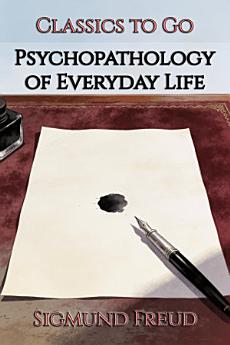
Psychopathology of Everyday Life: Restored Classics to Go Edition
About this ebook
About the author
Sigmund Freud, born in 1856 in what is now the Czech Republic and later based in Vienna, was a neurologist whose restless curiosity helped transform modern ideas about the mind. Trained in medicine, he moved from laboratory research to clinical practice and gradually developed psychoanalysis, a new way of understanding human behavior through the hidden forces of the unconscious, memory, desire, dreams, and conflict. His writings, lectures, and case studies made him one of the most influential intellectual figures of the twentieth century, shaping not only psychology and psychiatry but also literature, art, philosophy, and the broader language people still use to talk about themselves. Across his work, Freud explored repression, childhood experience, sexuality, anxiety, slips of speech, and the uneasy gap between what people say and what they feel, arguing that ordinary life is often shaped by forces beneath awareness. Those ideas remain relevant today because they continue to inform conversations about trauma, self-knowledge, identity, and the complexity of human motivation, even as many of his theories are debated or revised. Freud's legacy lies less in offering final answers than in opening a lasting inquiry into the hidden life of the psyche, and readers interested in the origins of modern psychology, the mysteries of behavior, or the deep connections between culture and inner life will find him especially rewarding.