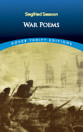
Counter-Attack and Other Poems
Sep 2016 · Otbebookpublishing
Ebook
55
Pages
family_home
Eligible
info
About this ebook
Siegfried Loraine Sassoon, CBE, MC (8 September 1886 – 1 September 1967) was an English poet, writer, and soldier. Decorated for bravery on the Western Front,[1] he became one of the leading poets of the First World War. This collection of poems was first published in May 1918. (Excerpt from Wikipedia)
Siegfried Loraine Sassoon, CBE, MC (8 September 1886 – 1 September 1967) was an English poet, writer, and soldier. Decorated for bravery on the Western Front,[1] he became one of the leading poets of the First World War. This collection of poems was first published in May 1918. (Excerpt from Wiki...
About the author
Siegfried Sassoon, born September 8, 1886, in Kent, England, was a distinguished poet and soldier whose life and work left an indelible mark on 20th-century literature. Sassoon's early life was steeped in privilege, but it was his harrowing experiences in World War I that profoundly shaped his literary voice. Enlisting in the British Army in 1914, Sassoon quickly became known for his bravery, earning the Military Cross for his valor. However, his war experiences also fueled a deep-seated disillusionment with the conflict.Sassoon's poetry, characterized by its stark realism and biting satire, brought the brutal realities of trench warfare to the public's attention. His work stood in stark contrast to the patriotic fervor of the time, earning him both acclaim and controversy. In 1917, Sassoon made headlines with his "Soldier's Declaration," a bold statement condemning the war's continuation, which led to his hospitalization for shell shock—a thinly veiled attempt to silence his dissent.Beyond his war poetry, Sassoon's autobiographical trilogy, "The Memoirs of George Sherston," offers a poignant exploration of his personal and military life, blending fiction and autobiography. His candid reflections on the futility of war and the complexities of human emotion influenced contemporaries like Wilfred Owen and later writers exploring themes of conflict and trauma.Sassoon's legacy extends beyond his literary contributions; he was a vocal advocate for peace and mental health awareness, challenging societal norms and inspiring future generations to confront the harsh truths of war. His life and work remain a testament to the power of the written word in effecting social change.
Siegfried Sassoon, born September 8, 1886, in Kent, England, was a distinguished poet and soldier whose life and work left an indelible mark on 20th-century literature. Sassoon's early life was steeped in privilege, but it was his harrowing experiences in World War I that profoundly shaped his li...
Rate this ebook
Tell us what you think.
Reading information
Smartphones and tablets
Install the Google Play Books app for Android and iPad/iPhone. It syncs automatically with your account and allows you to read online or offline wherever you are.
Laptops and computers
You can listen to audiobooks purchased on Google Play using your computer's web browser.
eReaders and other devices
To read on e-ink devices like Kobo eReaders, you'll need to download a file and transfer it to your device. Follow the detailed Help Center instructions to transfer the files to supported eReaders.