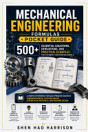
About this ebook
The core of the book explores thermal resistance, the key metric for measuring how well a cooler works. It breaks down the entire cooling path from the silicon chip to the surrounding air. This includes the role of the heat sink base, the fins, and the fans that move air across them.
A significant section compares common materials, primarily aluminum and copper, detailing the advantages and disadvantages of each. It covers the importance of thermal interface material, such as paste or pads, for creating a efficient connection between the chip and the cooler.
The book offers practical advice on calculating your cooling needs based on a component's power output. It provides straightforward methods for selecting a suitable heat sink and matching it with appropriate fans. Real-world factors like case airflow and dust are also addressed.
You will find dedicated chapters on specialized topics, including the function of heat pipes and the unique cooling requirements of graphics cards. The book also discusses advanced methods like liquid cooling for high-power situations.
A troubleshooting chapter helps you diagnose and fix common overheating problems, from reapplying thermal paste to improving internal airflow. Finally, the book looks at emerging trends, such as new materials and smarter, software-controlled cooling systems.
This guide is designed for anyone who wants to understand how electronic cooling works, from hobbyists to students and engineers. It offers clear explanations and practical knowledge to help you design, select, and maintain effective cooling solutions.
Discover more
About the author
Shen Hao Harrison is an author and thermal engineering specialist with extensive experience in electronics cooling, heat transfer analysis, and component-level thermal optimization. His work focuses on the practical challenges of dissipating heat from high-power semiconductors—CPUs, GPUs, power modules, and LEDs—where performance and longevity hinge on effective thermal management. Harrison bridges theory and application, guiding engineers through fin geometry optimization, material trade-offs, interface materials, and airflow strategies. His writing is technical yet accessible, making complex thermal concepts actionable for design engineers, hardware enthusiasts, and students aiming to push the limits of electronic performance.