關於這本電子書
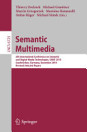
The rapid development in the area of sensor technology has been responsible for a number of societal phenomena like UGC (User Generated Content) or QS (Quantified Self). Machine learning algorithms benefit a lot from the availability of such huge volumes of digital data. For example, new technical solutions for challenges caused by the demographic change (ageing society) can be proposed in this way, especially in the context of healthcare systems in industrialised countries.
The goal of this book is to present selected algorithms for Visual Scene Analysis (VSA, processing UGC) as well as for Human Data Interpretation (HDI, using data produced within the QS movement) and to expose a joint methodological basis between these two scientific directions. While VSA approaches have reached impressive robustness towards human-like interpretation of visual sensor data, HDI methods are still of limited semantic abstraction power. Using selected state-of-the-art examples, this book shows the maturity of approaches towards closing the semantic gap in both areas, VSA and HDI.
The rapid development in the area of sensor technology has been responsible for a number of societal phenomena like UGC (User Generated Content) or QS (Quantified Self). Machine learning algorithms benefit a lot from the availability of such huge volumes of digital data. For example, new technic...
探索更多
為這本電子書評分
請分享你的寶貴意見。
閱讀資訊
智能手機和平板電腦
手提電腦和電腦
你可以使用電腦的網絡瀏覽器聆聽在 Google Play 上購買的有聲書。
電子書閱讀器及其他裝置
如要在 Kobo 等電子墨水裝置上閱覽書籍,你需要下載檔案並傳輸到你的裝置。請按照說明中心的詳細指示,將檔案傳輸到支援的電子書閱讀器。