关于此电子书
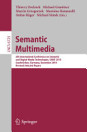
The rapid development in the area of sensor technology has been responsible for a number of societal phenomena like UGC (User Generated Content) or QS (Quantified Self). Machine learning algorithms benefit a lot from the availability of such huge volumes of digital data. For example, new technical solutions for challenges caused by the demographic change (ageing society) can be proposed in this way, especially in the context of healthcare systems in industrialised countries.
The goal of this book is to present selected algorithms for Visual Scene Analysis (VSA, processing UGC) as well as for Human Data Interpretation (HDI, using data produced within the QS movement) and to expose a joint methodological basis between these two scientific directions. While VSA approaches have reached impressive robustness towards human-like interpretation of visual sensor data, HDI methods are still of limited semantic abstraction power. Using selected state-of-the-art examples, this book shows the maturity of approaches towards closing the semantic gap in both areas, VSA and HDI.
The rapid development in the area of sensor technology has been responsible for a number of societal phenomena like UGC (User Generated Content) or QS (Quantified Self). Machine learning algorithms benefit a lot from the availability of such huge volumes of digital data. For example, new technic...
探索更多
为此电子书评分
欢迎向我们提供反馈意见。
如何阅读
智能手机和平板电脑
笔记本电脑和台式机
您可以使用计算机的网络浏览器聆听您在 Google Play 购买的有声读物。
电子阅读器和其他设备
如果要在 Kobo 电子阅读器等电子墨水屏设备上阅读,您需要下载一个文件,并将其传输到相应设备上。若要将文件传输到受支持的电子阅读器上,请按帮助中心内的详细说明操作。