เกี่ยวกับ eBook เล่มนี้
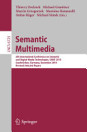
The rapid development in the area of sensor technology has been responsible for a number of societal phenomena like UGC (User Generated Content) or QS (Quantified Self). Machine learning algorithms benefit a lot from the availability of such huge volumes of digital data. For example, new technical solutions for challenges caused by the demographic change (ageing society) can be proposed in this way, especially in the context of healthcare systems in industrialised countries.
The goal of this book is to present selected algorithms for Visual Scene Analysis (VSA, processing UGC) as well as for Human Data Interpretation (HDI, using data produced within the QS movement) and to expose a joint methodological basis between these two scientific directions. While VSA approaches have reached impressive robustness towards human-like interpretation of visual sensor data, HDI methods are still of limited semantic abstraction power. Using selected state-of-the-art examples, this book shows the maturity of approaches towards closing the semantic gap in both areas, VSA and HDI.
The rapid development in the area of sensor technology has been responsible for a number of societal phenomena like UGC (User Generated Content) or QS (Quantified Self). Machine learning algorithms benefit a lot from the availability of such huge volumes of digital data. For example, new technic...
สำรวจหนังสือเล่มอื่นๆ
ให้คะแนน eBook นี้
แสดงความเห็นของคุณให้เรารับรู้
ข้อมูลในการอ่าน
สมาร์ทโฟนและแท็บเล็ต
ติดตั้งแอป Google Play Books สำหรับ Android และ iPad/iPhone แอปจะซิงค์โดยอัตโนมัติกับบัญชีของคุณ และช่วยให้คุณอ่านแบบออนไลน์หรือออฟไลน์ได้ทุกที่
แล็ปท็อปและคอมพิวเตอร์
คุณฟังหนังสือเสียงที่ซื้อจาก Google Play โดยใช้เว็บเบราว์เซอร์ในคอมพิวเตอร์ได้
eReader และอุปกรณ์อื่นๆ
หากต้องการอ่านบนอุปกรณ์ e-ink เช่น Kobo eReader คุณจะต้องดาวน์โหลดและโอนไฟล์ไปยังอุปกรณ์ของคุณ โปรดทำตามวิธีการอย่างละเอียดในศูนย์ช่วยเหลือเพื่อโอนไฟล์ไปยัง eReader ที่รองรับ