Informacje o e-booku
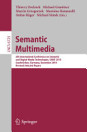
The rapid development in the area of sensor technology has been responsible for a number of societal phenomena like UGC (User Generated Content) or QS (Quantified Self). Machine learning algorithms benefit a lot from the availability of such huge volumes of digital data. For example, new technical solutions for challenges caused by the demographic change (ageing society) can be proposed in this way, especially in the context of healthcare systems in industrialised countries.
The goal of this book is to present selected algorithms for Visual Scene Analysis (VSA, processing UGC) as well as for Human Data Interpretation (HDI, using data produced within the QS movement) and to expose a joint methodological basis between these two scientific directions. While VSA approaches have reached impressive robustness towards human-like interpretation of visual sensor data, HDI methods are still of limited semantic abstraction power. Using selected state-of-the-art examples, this book shows the maturity of approaches towards closing the semantic gap in both areas, VSA and HDI.
The rapid development in the area of sensor technology has been responsible for a number of societal phenomena like UGC (User Generated Content) or QS (Quantified Self). Machine learning algorithms benefit a lot from the availability of such huge volumes of digital data. For example, new technic...
Zobacz więcej
Oceń tego e-booka
Podziel się z nami swoją opinią.
Informacje o czytaniu
Smartfony i tablety
Zainstaluj aplikację Książki Google Play na Androida i iPada/iPhone'a. Synchronizuje się ona automatycznie z kontem i pozwala na czytanie w dowolnym miejscu, w trybie online i offline.
Laptopy i komputery
Audiobooków kupionych w Google Play możesz słuchać w przeglądarce internetowej na komputerze.
Czytniki e-booków i inne urządzenia
Aby czytać na e-papierze, na czytnikach takich jak Kobo, musisz pobrać plik i przesłać go na swoje urządzenie. Aby przesłać pliki na obsługiwany czytnik, postępuj zgodnie ze szczegółowymi instrukcjami z Centrum pomocy.