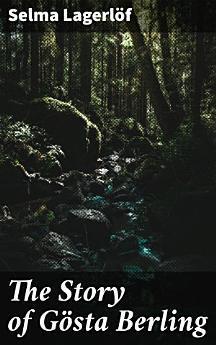
The Story of Gösta Berling: A Tale of Love, Redemption, and Societal Upheaval in Rural Sweden
Nov 2019 · Good Press
Ebook
409
Pages
family_home
Eligible
info
shoppingmode50% price drop on Oct 21
About this ebook
In "The Story of Gösta Berling," Selma Lagerlöf weaves a rich tapestry of life in a Swedish provincial town during the early 19th century, introducing readers to the titular character, a defrocked priest whose charisma and tumultuous past draw him into a series of adventures. Written in a lyrical, almost mystical style, Lagerlöf employs elements of folk tales and mythology, creating a narrative that reflects the complexities of human nature and the various social strata of her time. The book is notable for its exploration of existential themes and moral dilemmas, situating it within the broader context of early modernist literature and the evolving narrative forms of the early 20th century. Selma Lagerlöf, the first woman to win the Nobel Prize in Literature, was deeply influenced by her Swedish heritage and the folklore of her homeland. Born in 1858, her upbringing in the rural province of Värmland instilled in her a profound appreciation for nature and a keen sense of moral conviction, both of which permeate her works. "The Story of Gösta Berling" reflects not only her fascination with the spiritual and the supernatural but also her desire to address social issues, particularly those pertaining to gender and class. This captivating novel is a must-read for anyone interested in the intersection of mythology and literature, as well as those seeking to understand the socio-political backdrop of Sweden during Lagerlöf's life. It appeals to both literary scholars and general readers alike, offering a profound exploration of the human condition while enchanting with its narrative elegance and depth.
In "The Story of Gösta Berling," Selma Lagerlöf weaves a rich tapestry of life in a Swedish provincial town during the early 19th century, introducing readers to the titular character, a defrocked priest whose charisma and tumultuous past draw him into a series of adventures. Written in a lyric...
Discover more
Rate this ebook
Tell us what you think.
Reading information
Smartphones and tablets
Install the Google Play Books app for Android and iPad/iPhone. It syncs automatically with your account and allows you to read online or offline wherever you are.
Laptops and computers
You can listen to audiobooks purchased on Google Play using your computer's web browser.
eReaders and other devices
To read on e-ink devices like Kobo eReaders, you'll need to download a file and transfer it to your device. Follow the detailed Help Center instructions to transfer the files to supported eReaders.