About this ebook
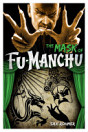
In "Fire-Tongue," Sax Rohmer weaves a captivating narrative steeped in mystery and danger, centering around the exotic allure of the East and the psychological depths of obsession. Written in 1916, Rohmer's prose employs a blend of suspense and supernatural elements, drawing readers into a world where ancient evils and modernity collide. The novel encapsulates the zeitgeist of its time, reflecting early 20th-century fascination with the occult and the perception of the Orient as a land imbued with 'otherness.' Through skillful characterization and vivid descriptions, Rohmer transports readers to an enigmatic milieu that amplifies the tension and intrigue inherent in the story. Sax Rohmer, born Arthur Henry Sarsfield Ward in 1883, was an influential figure in the genre of adventure and horror fiction. His writings often mirrored his fascination with Eastern mysticism and the supernatural, likely inspired by his own travels and the colonial attitudes prevalent during his era. Rohmer's most famous creation, the sinister Dr. Fu Manchu, showcases his interest in the duality of human nature—an element similarly explored in "Fire-Tongue," where themes of love, manipulation, and revenge intertwine. "Fire-Tongue" is highly recommended for readers who savor atmospheric tales rich with intricate plotlines and psychological complexity. Whether you are a long-time admirer of Rohmer's works or a newcomer to early 20th-century horror fiction, this novel promises to both engage and provoke thought regarding the darkness that lurks within the human psyche.
In "Fire-Tongue," Sax Rohmer weaves a captivating narrative steeped in mystery and danger, centering around the exotic allure of the East and the psychological depths of obsession. Written in 1916, Rohmer's prose employs a blend of suspense and supernatural elements, drawing readers into a world ...
Discover more
About the author
Sax Rohmer was the pen name of Arthur Henry Sarsfield Ward, an English novelist born on February 15, 1883. Rohmer is most widely recognized for his creation of the infamous character Dr. Fu Manchu, a figure that has left a significant mark in the realm of crime fiction and has influenced numerous adaptations across various media. His works often delve into the mysterious and exotic, reflecting the interests and fears of early 20th-century Britain regarding the East, albeit often through the lens of the period's stereotypes and orientalism. Rohmer's foray into the world of mystical detective stories is epitomized by his novel 'Fire-Tongue' (1921), where he blends elements of crime with the occult—a juxtaposition that became a trademark of his literary style. His narratives are characterized by suspenseful storytelling, elaborate plots, and a touch of the supernatural. While his depiction of characters and settings often drew criticism for perpetuating racial clichés, his contributions to the genre of 'Yellow Peril' fiction were significant, being both a product of his times and a catalyst for future dialogue about cultural representation and literary tropes. Sax Rohmer passed away on June 1, 1959, but his legacy endures in the pulpy pages of his thrilling tales, which continue to be a source of fascination and controversy in literary discussions.
Sax Rohmer was the pen name of Arthur Henry Sarsfield Ward, an English novelist born on February 15, 1883. Rohmer is most widely recognized for his creation of the infamous character Dr. Fu Manchu, a figure that has left a significant mark in the realm of crime fiction and has influenced numerous...
Rate this ebook
Tell us what you think.
Reading information
Smartphones and tablets
Install the Google Play Books app for Android and iPad/iPhone. It syncs automatically with your account and allows you to read online or offline wherever you are.
Laptops and computers
You can listen to audiobooks purchased on Google Play using your computer's web browser.
eReaders and other devices
To read on e-ink devices like Kobo eReaders, you'll need to download a file and transfer it to your device. Follow the detailed Help Center instructions to transfer the files to supported eReaders.