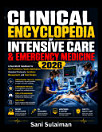
EMERGENCY MEDICINE & ACUTE CARE CLINICAL PROCEDURES: Advanced Resuscitation Techniques, Trauma Stabilization, Critical Care Protocols, and Emergency Department Management
About this ebook
Advanced Resuscitation Techniques, Trauma Stabilization, Critical Care Protocols, and Emergency Department Management
Emergency medicine is where every discipline collides at once — airway, trauma, cardiology, neurology, toxicology, obstetrics, pediatrics — and where the clinician is expected to master all of it. This comprehensive clinical textbook meets that demand, delivering a rigorous, evidence-based treatment of the procedures and protocols that define modern acute care.
Across 17 systematically organized chapters, the book builds competence from the ground up: anatomical foundations, physiological principles, procedural technique, pharmacology, and the clinical decision-making that ties them together. Each chapter moves beyond checklists into the reasoning behind the practice — why a protocol works, when it fails, and how to adapt it to the patient in front of you. Extended clinical discussions and evidence reviews throughout the text ground every recommendation in current literature and accepted standards of care.
Comprehensive coverage includes:
Airway management — difficult airway prediction with LEMON and Mallampati assessment, the seven Ps of rapid sequence intubation, induction and neuromuscular blocking pharmacology, video laryngoscopy, apneic oxygenation, the failed airway algorithm, and surgical cricothyrotomy
Mechanical ventilation — ventilator modes, initial settings, obstructive disease strategy, ARDS management, and systematic troubleshooting
Resuscitation science — cardiac arrest pathophysiology, high-quality CPR, defibrillation strategy, resuscitation pharmacology, the 4Hs and 4Ts, extracorporeal CPR, and post-cardiac-arrest care
Vascular access and hemodynamics — ultrasound-guided central access, intraosseous and arterial lines, shock classification, the septic shock Hour-1 bundle, vasopressor selection, and point-of-care echocardiography
Trauma and neurocritical care — the ABCDE primary survey, damage control resuscitation, eFAST, pelvic fracture management, traumatic brain injury neuroprotection, and anticoagulation reversal
System-specific emergencies — acute coronary syndromes, aortic dissection, stroke thrombolysis, status epilepticus, sepsis, toxicology and antidotes, obstetric and gynecologic crises, and pediatric resuscitation with PALS modifications
Department operations — structured communication, cognitive bias and diagnostic error, the I-PASS handoff framework, and quality improvement
Written for emergency physicians, critical care and acute care practitioners, residents and fellows, physician assistants, nurse practitioners, and advanced nursing and paramedic trainees, this textbook serves equally as a structured course of study and a definitive clinical reference. It is designed for the reader who wants not just to perform the procedure, but to understand it completely.
A complete foundation in acute care medicine — thorough, current, and clinically indispensable.