About this ebook
It draws on medical literature, government reports, and official data from around the world to help inform public and professional discussion.
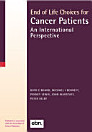
Assisted dying raises difficult moral and emotional issues for healthcare staff. Even in countries with long experience, many professionals find participation challenging. Some now specialise in VAD to manage the ethical and technical complexities. All agree that high-quality palliative care remains essential. Most patients who choose VAD have already received palliative care but want control over the timing and nature of death. Neurodegenerative diseases, such as motor neurone disease, need special planning because of the risk of losing mental or physical capacity before a decision can be acted on.
For countries like the UK who are deciding whether to change the law, much can be learned from decades of international experience and evidence - especially from Australia, New Zealand, Canada, the USA and parts of Europe - to design a system that protects vulnerable people, pays attention to the views and needs of disabled and disadvantaged people, respects those with ethical or religious objections, supports healthcare professionals, and respects individual choice.