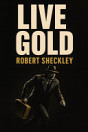
Dead Run: a Stephen Dain mystery
About this ebook
Sheckley's Dead Run hums with the clipped dialogue and dark energy of classic hardboiled crime. Yet beneath the tough talk and gun smoke lies his trademark irony: a recognition that in a corrupt, fast-talking world, survival depends less on strength than on wit. From rain-soaked alleyways to sleek cocktail lounges, the story moves at bullet speed, its tension tightened by Sheckley's unmatched ear for rhythm and nuance.
Both a gripping detective thriller and a wry moral fable, Dead Run reveals the literary craftsmanship often hidden within pulp. Sheckley infuses noir conventions with his own intelligence and humor, transforming the familiar trappings of murder and betrayal into something sharper — a study of how men lose their way in pursuit of justice, money, or redemption.
Lean, stylish, and lethal, Dead Run is crime fiction written with the precision of poetry and the impact of a .45 slug.
Discover more
About the author
Robert Sheckley (1928–2005) was an American novelist and short story writer renowned for his brilliance across genres — from speculative satire to taut, psychological noir. Born in Brooklyn, New York, Sheckley served in the U.S. Army before emerging as one of the most original voices in postwar American fiction. His work appeared in major magazines and ranged from ironic science fiction to sharp-edged mysteries such as the Stephen Dain series. Whether writing about cosmic absurdities or urban corruption, Sheckley's hallmark was his wit — dry, incisive, and profoundly humane. A true craftsman of both style and structure, he influenced generations of writers across pulp and literary traditions. He died in 2005, leaving behind a body of work that remains as provocative as it is entertaining.