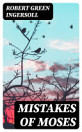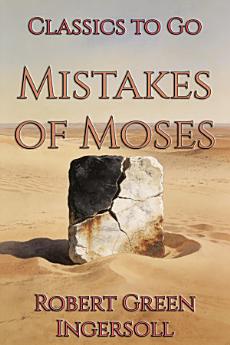
Mistakes of Moses: Restored Classics to Go Edition
About this ebook
Discover more
About the author
Robert Green Ingersoll was an American lawyer, Civil War veteran, famed orator, and one of the most influential freethinkers of the nineteenth century. Born in New York in 1833 and later settling in the Midwest, he built a public life that combined legal skill, political engagement, and extraordinary rhetorical power, rising to national prominence through speeches that challenged convention and defended individual conscience. Though he never held high office, he became widely admired for his eloquence, his defense of civil liberties, and his fearless criticism of religious dogma. His writing and lectures, including his best-known work, helped shape debates over faith, reason, science, women's rights, and human freedom at a time when such ideas were often controversial. Ingersoll's central themes—skepticism, tolerance, personal liberty, and the dignity of the individual—remain strikingly relevant today, especially in conversations about free expression, secularism, and the right to question inherited authority. His legacy endures not only as a historical figure of the free thought movement but also as a reminder that wit, courage, and moral independence can be powerful tools for social change. Readers who enjoy eloquent polemic, intellectual challenge, and spirited arguments for reason over superstition will find him especially rewarding.