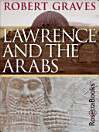
Lawrence and the Arabs: Restored Classics to Go Edition
About this ebook
Discover more
About the author
Robert Graves was a British poet, novelist, critic, and classicist whose long and remarkably varied career made him one of the most distinctive literary voices of the twentieth century. Born in London in 1895 and educated at Oxford, he was shaped early by the trauma of the First World War, where he served as an officer and was badly wounded, an experience that left a lasting mark on his imagination and his view of authority, heroism, and human frailty. After the war he built a life in writing that ranged from poetry and fiction to scholarship, mythography, and biography, often with a sharp intelligence and a willingness to challenge received ideas. He became especially admired for his lyrical verse, his historical imagination, and his ability to blend erudition with storytelling, while his prose works brought vivid life to figures from antiquity and the modern world alike. Across his work, Graves returned again and again to themes of memory, myth, war, love, and the tension between public legend and private truth, giving his writing a continuing relevance in an age still wrestling with propaganda, identity, and the stories nations tell about themselves. His legacy lies in the way he made literature feel both deeply personal and intellectually adventurous, inviting readers to question official narratives while savoring the music of language. Readers who enjoy ambitious poetry, psychologically rich historical writing, and books that illuminate the past as a way of understanding the present will find Robert Graves especially rewarding.