American Poetry, 1922: Restored Classics to Go Edition
About this ebook
About the author
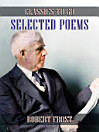
Robert Frost was born in San Francisco in 1874 and spent much of his life moving between New England and the literary world, a duality that shaped both his voice and his vision. After early struggles, personal losses, and years of teaching and farming, he found his true audience in the poems that made him one of the most beloved and enduring American writers of the twentieth century. His work brought extraordinary clarity and musical grace to ordinary scenes—woods, roads, stone walls, farms, winter fields—while probing the deeper questions hidden beneath daily life: choice, isolation, labor, grief, friendship, and the uneasy balance between freedom and responsibility. Frost became widely recognized for a style that seemed simple on the surface yet carried philosophical weight, and his achievements helped define modern American poetry, earning him rare public admiration and a lasting place in the national imagination. What keeps him relevant today is the way he reveals how much human uncertainty can live inside familiar landscapes and common speech; his poems remind readers that moral complexity often arrives quietly, in small moments and private decisions. Frost's legacy endures because he made poetry feel both accessible and profound, speaking to readers who value insight without ornament and emotion without sentimentality. He will especially appeal to readers who love nature writing, reflective verse, and literature that finds deep meaning in everyday life.