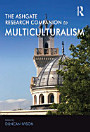
Información sobre este eBook
The language of rights pervades modern social and political discourse, yet there is deep disagreement amongst citizens, politicians and philosophers about just what rights are. In this comprehensive and engaging introduction to rights, Duncan Ivison pays particular attention to their political character: the way arguments about rights are characterized by disagreement and conflict and by movement between the moral and the legal and the abstract and the practical. Ivison presents three basic ways of thinking about rights - as statuses, instruments and conduits - and, drawing on the history of political thought and contemporary political theory, explores the different ways these frameworks shape particular theories of rights. He uses some of the current debates over the threat of global terrorism to explore the nature of rights, especially those civil and political rights at the heart of liberal democracy. Various critiques of rights - Marxist, postmodernist and feminist - are examined and the book concludes by exploring what, exactly, we should want from a theory of human rights today and what role this theory should play in global politics. The book offers a distinctive integration of history and theory as applied to questions about the nature of rights today and is ideally suited for students taking courses on moral and political philosophy, political theory and the history of political thought. Book jacket.
The language of rights pervades modern social and political discourse, yet there is deep disagreement amongst citizens, politicians and philosophers about just what rights are. In this comprehensive and engaging introduction to rights, Duncan Ivison pays particular attention to their political ch...
Descubre más
Acerca del autor
Duncan Ivison is associate professor of political science at the University of Toronto.
Duncan Ivison is associate professor of political science at the University of Toronto.
Valorar este eBook
Danos tu opinión.
Información sobre cómo leer
Smartphones y tablets
Instala la aplicación Google Play Libros para Android y iPad/iPhone. Se sincroniza automáticamente con tu cuenta y te permite leer contenido online o sin conexión estés donde estés.
Ordenadores portátiles y de escritorio
Puedes usar el navegador web del ordenador para escuchar audiolibros que hayas comprado en Google Play.
eReaders y otros dispositivos
Para leer en dispositivos de tinta electrónica, como los lectores de libros electrónicos de Kobo, es necesario descargar un archivo y transferirlo al dispositivo. Sigue las instrucciones detalladas del Centro de Ayuda para transferir archivos a lectores de libros electrónicos compatibles.