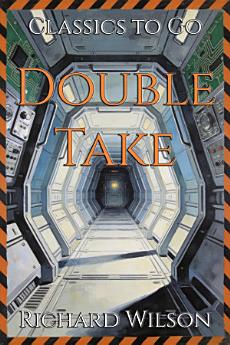
Double Take: Restored Classics to Go Edition
About this ebook
Discover more
About the author
Richard Wilson was a distinctive American writer whose career bridged journalism, fiction, and a keenly observant eye for the textures of everyday life. Born in New York City in 1915 and educated at Columbia University, he came of age during a period of rapid social change, and that sense of movement and uncertainty would later shape much of his work. Over the years, he built a reputation for sharp storytelling, psychological nuance, and an ability to capture the humor, strain, and quiet disappointments that often lie beneath ordinary experience. His fiction and nonfiction alike reflect a lifelong interest in how people construct identity, navigate ambition, and make sense of the gap between appearance and reality. Wilson's writing remains relevant today because it speaks so clearly to modern anxieties about self-invention, social performance, and the fragile line between confidence and vulnerability. He is especially valued for his clean prose, understated wit, and the human sympathy that gives his characters depth without sentimentality. Though not always as widely discussed as some of his contemporaries, he left behind a body of work that rewards attentive readers and continues to feel fresh in its intelligence and restraint. Readers who appreciate elegant prose, subtle character studies, and fiction grounded in real emotional complexity will find much to admire in Richard Wilson.