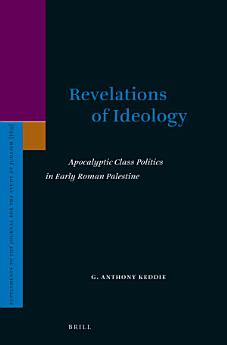
Revelations of Ideology: Apocalyptic Class Politics in Early Roman Palestine
ছেপ্তে ২০১৮ · BRILL
ইবুক
392
পৃষ্ঠা
সঁজুলিবোৰ
info
এই ইবুকখনৰ বিষয়ে
In Revelations of Ideology, G. Anthony Keddie proposes a new theory of the social function of Judaean apocalyptic texts produced in Early Roman Palestine (63 BCE–70 CE). In contrast to evaluations of Jewish and early Christian apocalyptic texts as “literature of the oppressed” or literature of resistance against empire, Keddie demonstrates that scribes produced apocalyptic texts to advance ideologies aimed at self-legitimation. By revealing that their opponents constituted an exploitative class, scribes generated apocalyptic ideologies that situated them in the same exploited class as their constituents. Through careful historical and ideological criticism of the Psalms of Solomon, Parables of Enoch, Testament of Moses, and Q source, Keddie identifies an internally diverse tradition of apocalyptic class rhetoric in late Second Temple Judaism.
In Revelations of Ideology, G. Anthony Keddie proposes a new theory of the social function of Judaean apocalyptic texts produced in Early Roman Palestine (63 BCE–70 CE). In contrast to evaluations of Jewish and early Christian apocalyptic texts as “literature of the oppressed” or literature of re...
অধিক বিচাৰি পাওক
লিখকৰ বিষয়ে
G. Anthony Keddie, Ph.D. in Ancient Mediterranean Religions (2017), University of Texas at Austin, is Assistant Professor of Early Christian History and Literature at the University of British Columbia. He has published articles on Hellenistic Judaism, apocalypticism, and the New Testament
G. Anthony Keddie, Ph.D. in Ancient Mediterranean Religions (2017), University of Texas at Austin, is Assistant Professor of Early Christian History and Literature at the University of British Columbia. He has published articles on Hellenistic Judaism, apocalypticism, and the New Testament
এই ইবুকখনক মূল্যাংকন কৰক
আমাক আপোনাৰ মতামত জনাওক।
পঢ়াৰ নির্দেশাৱলী
স্মাৰ্টফ’ন আৰু টেবলেট
Android আৰু iPad/iPhoneৰ বাবে Google Play Books এপটো ইনষ্টল কৰক। ই স্বয়ংক্রিয়ভাৱে আপোনাৰ একাউণ্টৰ সৈতে ছিংক হয় আৰু আপুনি য'তে নাথাকক ত'তেই কোনো অডিঅ'বুক অনলাইন বা অফলাইনত শুনিবলৈ সুবিধা দিয়ে।
লেপটপ আৰু কম্পিউটাৰ
আপুনি কম্পিউটাৰৰ ৱেব ব্রাউজাৰ ব্যৱহাৰ কৰি Google Playত কিনা অডিঅ'বুকসমূহ শুনিব পাৰে।
ই-ৰীডাৰ আৰু অন্য ডিভাইচ
Kobo eReadersৰ দৰে ই-চিয়াঁহীৰ ডিভাইচসমূহত পঢ়িবলৈ, আপুনি এটা ফাইল ডাউনল’ড কৰি সেইটো আপোনাৰ ডিভাইচলৈ স্থানান্তৰণ কৰিব লাগিব। সমৰ্থিত ই-ৰিডাৰলৈ ফাইলটো কেনেকৈ স্থানান্তৰ কৰিব জানিবলৈ সহায় কেন্দ্ৰত থকা সবিশেষ নিৰ্দেশাৱলী চাওক।