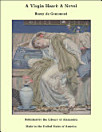
A Virgin Heart: Restored Classics to Go Edition
About this ebook
Discover more
About the author
Remy de Gourmont was a French writer, critic, poet, and essayist whose brilliant, restless mind made him one of the most distinctive literary voices of the late nineteenth and early twentieth centuries. Born in Normandy and educated in law before turning fully to letters, he became closely associated with the Symbolist movement and spent much of his life in Paris, where he helped shape debates about art, language, and modern thought through journalism, criticism, and fiction. His literary achievement lies less in any single genre than in the remarkable range of his work, which combines elegance, intellectual daring, and a deep skepticism about convention. He wrote with unusual sensitivity about desire, individuality, aesthetics, and the tensions between instinct and social order, often challenging moral certainties while exploring the inner life with rare subtlety. These concerns still feel strikingly contemporary, especially in a world that continues to wrestle with questions of identity, freedom, and the pressures of public opinion. Gourmont's legacy endures in his fearless style and his insistence that literature should be both beautiful and intellectually alive. Readers who appreciate refined prose, psychological nuance, and provocative ideas will find him especially rewarding, particularly those drawn to fin-de-siècle literature and writers who blur the line between fiction, criticism, and philosophy.