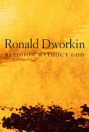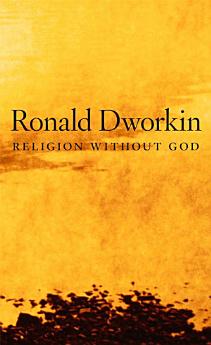
Religion without God
ઑક્ટો 2013 · Harvard University Press
star
3 રિવ્યૂ
ઇ-પુસ્તક
176
પેજ
સાધનો
info
આ ઇ-પુસ્તક વિશે
In his last book, Ronald Dworkin addresses questions that men and women have asked through the ages: What is religion and what is God’s place in it? What is death and what is immortality? Based on the 2011 Einstein Lectures, Religion without God is inspired by remarks Einstein made that if religion consists of awe toward mysteries which “manifest themselves in the highest wisdom and the most radiant beauty, and which our dull faculties can comprehend only in the most primitive forms,” then, he, Einstein, was a religious person.
Dworkin joins Einstein’s sense of cosmic mystery and beauty to the claim that value is objective, independent of mind, and immanent in the world. He rejects the metaphysics of naturalism—that nothing is real except what can be studied by the natural sciences. Belief in God is one manifestation of this deeper worldview, but not the only one. The conviction that God underwrites value presupposes a prior commitment to the independent reality of that value—a commitment that is available to nonbelievers as well. So theists share a commitment with some atheists that is more fundamental than what divides them. Freedom of religion should flow not from a respect for belief in God but from the right to ethical independence.
Dworkin hoped that this short book would contribute to rational conversation and the softening of religious fear and hatred. Religion without God is the work of a humanist who recognized both the possibilities and limitations of humanity.
In his last book, Ronald Dworkin addresses questions that men and women have asked through the ages: What is religion and what is God’s place in it? What is death and what is immortality? Based on the 2011 Einstein Lectures, Religion without God is inspired by remarks Einstein made that if religi...
વધુ શોધો
રેટિંગ અને રિવ્યૂ
3 રિવ્યૂ
લેખક વિશે
Ronald Dworkin was Frank Henry Sommer Professor of Law and Philosophy at New York University.
Ronald Dworkin was Frank Henry Sommer Professor of Law and Philosophy at New York University.
આ ઇ-પુસ્તકને રેટિંગ આપો
તમે શું વિચારો છો અમને જણાવો.
માહિતી વાંચવી
સ્માર્ટફોન અને ટૅબ્લેટ
Android અને iPad/iPhone માટે Google Play Books ઍપ ઇન્સ્ટૉલ કરો. તે તમારા એકાઉન્ટ સાથે ઑટોમૅટિક રીતે સિંક થાય છે અને તમને જ્યાં પણ હો ત્યાં તમને ઑનલાઇન અથવા ઑફલાઇન વાંચવાની મંજૂરી આપે છે.
લૅપટૉપ અને કમ્પ્યુટર
Google Play પર ખરીદેલ ઑડિઓબુકને તમે તમારા કમ્પ્યુટરના વેબ બ્રાઉઝરનો ઉપયોગ કરીને સાંભળી શકો છો.
eReaders અને અન્ય ડિવાઇસ
Kobo ઇ-રીડર જેવા ઇ-ઇંક ડિવાઇસ પર વાંચવા માટે, તમારે ફાઇલને ડાઉનલોડ કરીને તમારા ડિવાઇસ પર ટ્રાન્સફર કરવાની જરૂર પડશે. સપોર્ટેડ ઇ-રીડર પર ફાઇલો ટ્રાન્સ્ફર કરવા માટે સહાયતા કેન્દ્રની વિગતવાર સૂચનાઓ અનુસરો.