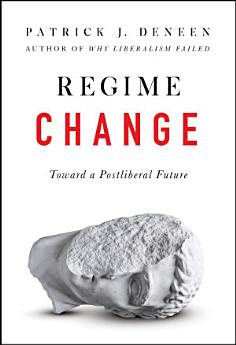
Regime Change: Toward a Postliberal Future
જૂન 2023 · Penguinનાં દ્વારા વેચાયું
star
1 રિવ્યૂ
ઇ-પુસ્તક
288
પેજ
સાધનો
info
family_home
પાત્ર
info
આ ઇ-પુસ્તક વિશે
From Notre Dame professor and author of Why Liberalism Failed comes a provocative call for replacing the tyranny of the self-serving liberal elite with conservative leaders aligned with the interests of the working class
Classical liberalism promised to overthrow the old aristocracy, creating an order in which individuals could create their own identities and futures. To some extent it did—but it has also demolished the traditions and institutions that nourished ordinary people and created a new and exploitative ruling class. This class’s economic libertarianism, progressive values, and technocratic commitments have led them to rule for the benefit of the “few” at the expense of the “many,” precipitating our current political crises.
In Regime Change, Patrick Deneen proposes a bold plan for replacing the liberal elite and the ideology that created and empowered them. Grass-roots populist efforts to destroy the ruling class altogether are naive; what’s needed is the strategic formation of a new elite devoted to a “pre-postmodern conservatism” and aligned with the interest of the “many.” Their top-down efforts to form a new governing philosophy, ethos, and class could transform our broken regime from one that serves only the so-called meritocrats.
Drawing on the oldest lessons of the western tradition but recognizing the changed conditions that arise in liberal modernity, Deneen offers a roadmap for these changes, offering hope for progress after “progress” and liberty after liberalism.
From Notre Dame professor and author of Why Liberalism Failed comes a provocative call for replacing the tyranny of the self-serving liberal elite with conservative leaders aligned with the interests of the working class
Classical liberalism promised to overthrow the old aristocracy, creating an...
વધુ શોધો
રેટિંગ અને રિવ્યૂ
1 રિવ્યૂ
લેખક વિશે
Patrick J. Deneen is a professor of political science at the University of Notre Dame. He has previously taught at Princeton University and Georgetown University. His most recent book is Why Liberalism Failed, published in 2018, which has to date been translated into twenty languages.
Patrick J. Deneen is a professor of political science at the University of Notre Dame. He has previously taught at Princeton University and Georgetown University. His most recent book is Why Liberalism Failed, published in 2018, which has to date been translated into twenty languages.
આ ઇ-પુસ્તકને રેટિંગ આપો
તમે શું વિચારો છો અમને જણાવો.
માહિતી વાંચવી
સ્માર્ટફોન અને ટૅબ્લેટ
Android અને iPad/iPhone માટે Google Play Books ઍપ ઇન્સ્ટૉલ કરો. તે તમારા એકાઉન્ટ સાથે ઑટોમૅટિક રીતે સિંક થાય છે અને તમને જ્યાં પણ હો ત્યાં તમને ઑનલાઇન અથવા ઑફલાઇન વાંચવાની મંજૂરી આપે છે.
લૅપટૉપ અને કમ્પ્યુટર
Google Play પર ખરીદેલ ઑડિઓબુકને તમે તમારા કમ્પ્યુટરના વેબ બ્રાઉઝરનો ઉપયોગ કરીને સાંભળી શકો છો.
eReaders અને અન્ય ડિવાઇસ
Kobo ઇ-રીડર જેવા ઇ-ઇંક ડિવાઇસ પર વાંચવા માટે, તમારે ફાઇલને ડાઉનલોડ કરીને તમારા ડિવાઇસ પર ટ્રાન્સફર કરવાની જરૂર પડશે. સપોર્ટેડ ઇ-રીડર પર ફાઇલો ટ્રાન્સ્ફર કરવા માટે સહાયતા કેન્દ્રની વિગતવાર સૂચનાઓ અનુસરો.