ଏହି ଇବୁକ୍ ବିଷୟରେ
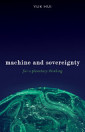
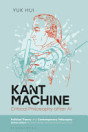
This book employs recursivity and contingency as two principle concepts to investigate into the relation between nature and technology, machine and organism, system and freedom. It reconstructs a trajectory of thought from an Organic condition of thinking elaborated by Kant, passing by the philosophy of nature (Schelling and Hegel), to the 20th century Organicism (Bertalanffy, Needham, Whitehead, Wiener among others) and Organology (Bergson, Canguilhem, Simodnon, Stiegler), and questions the new condition of philosophizing in the time of algorithmic contingency, ecological and algorithmic catastrophes, which Heidegger calls the end of philosophy.
The book centres on the following speculative question: if in the philosophical tradition, the concept of contingency is always related to the laws of nature, then in what way can we understand contingency in related to technical systems? The book situates the concept of recursivity as a break from the Cartesian mechanism and the drive of system construction; it elaborates on the necessity of contingency in such epistemological rupture where nature ends and system emerges. In this development, we see how German idealism is precursor to cybernetics, and the Anthropocene and Noosphere (Teilhard de Chardin) point toward the realization of a gigantic cybernetic system, which lead us back to the question of freedom. It questions the concept of absolute contingency (Meillassoux) and proposes a cosmotechnical pluralism. Engaging with modern and contemporary European philosophy as well as Chinese thought through the mediation of Needham, this book refers to cybernetics, mathematics, artificial intelligence and inhumanism.
The book centres on the following speculative question: if in the philosophical tradition, the concept of contingency is always related to the laws of nature, then in what way can we understand contingency in related to technical systems? The book situates the concept of recursivity as a break from the Cartesian mechanism and the drive of system construction; it elaborates on the necessity of contingency in such epistemological rupture where nature ends and system emerges. In this development, we see how German idealism is precursor to cybernetics, and the Anthropocene and Noosphere (Teilhard de Chardin) point toward the realization of a gigantic cybernetic system, which lead us back to the question of freedom. It questions the concept of absolute contingency (Meillassoux) and proposes a cosmotechnical pluralism. Engaging with modern and contemporary European philosophy as well as Chinese thought through the mediation of Needham, this book refers to cybernetics, mathematics, artificial intelligence and inhumanism.
This book employs recursivity and contingency as two principle concepts to investigate into the relation between nature and technology, machine and organism, system and freedom. It reconstructs a trajectory of thought from an Organic condition of thinking elaborated by Kant, passing by the philos...
ଲେଖକଙ୍କ ବିଷୟରେ
Yuk Hui is the author of On the Existence of Digital Objects (University of Minnesota Press, 2016) and The Question Concerning Technology in China. An Essay in Cosmotechnics (Urbanomic, 2017).
Yuk Hui is the author of On the Existence of Digital Objects (University of Minnesota Press, 2016) and The Question Concerning Technology in China. An Essay in Cosmotechnics (Urbanomic, 2017).
ଏହି ଇବୁକ୍କୁ ମୂଲ୍ୟାଙ୍କନ କରନ୍ତୁ
ଆପଣ କଣ ଭାବୁଛନ୍ତି ତାହା ଆମକୁ ଜଣାନ୍ତୁ।
ପଢ଼ିବା ପାଇଁ ତଥ୍ୟ
ସ୍ମାର୍ଟଫୋନ ଓ ଟାବଲେଟ
Google Play Books ଆପ୍କୁ, Android ଓ iPad/iPhone ପାଇଁ ଇନଷ୍ଟଲ୍ କରନ୍ତୁ। ଏହା ସ୍ଵଚାଳିତ ଭାବେ ଆପଣଙ୍କ ଆକାଉଣ୍ଟରେ ସିଙ୍କ ହୋଇଯିବ ଏବଂ ଆପଣ ଯେଉଁଠି ଥାଆନ୍ତୁ ନା କାହିଁକି ଆନଲାଇନ୍ କିମ୍ବା ଅଫଲାଇନ୍ରେ ପଢ଼ିବା ପାଇଁ ଅନୁମତି ଦେବ।
ଲାପଟପ ଓ କମ୍ପ୍ୟୁଟର
ନିଜର କମ୍ପ୍ୟୁଟର୍ରେ ଥିବା ୱେବ୍ ବ୍ରାଉଜର୍କୁ ବ୍ୟବହାର କରି Google Playରୁ କିଣିଥିବା ଅଡିଓବୁକ୍କୁ ଆପଣ ଶୁଣିପାରିବେ।
ଇ-ରିଡର୍ ଓ ଅନ୍ୟ ଡିଭାଇସ୍ଗୁଡ଼ିକ
Kobo eReaders ପରି e-ink ଡିଭାଇସଗୁଡ଼ିକରେ ପଢ଼ିବା ପାଇଁ, ଆପଣଙ୍କୁ ଏକ ଫାଇଲ ଡାଉନଲୋଡ କରି ଏହାକୁ ଆପଣଙ୍କ ଡିଭାଇସକୁ ଟ୍ରାନ୍ସଫର କରିବାକୁ ହେବ। ସମର୍ଥିତ eReadersକୁ ଫାଇଲଗୁଡ଼ିକ ଟ୍ରାନ୍ସଫର କରିବା ପାଇଁ ସହାୟତା କେନ୍ଦ୍ରରେ ଥିବା ସବିଶେଷ ନିର୍ଦ୍ଦେଶାବଳୀକୁ ଅନୁସରଣ କରନ୍ତୁ।