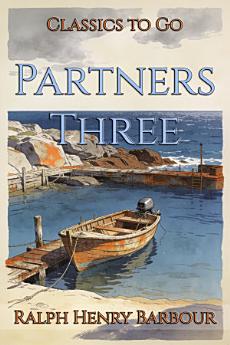
Partners Three: Restored Classics to Go Edition
About this ebook
Discover more
About the author
Ralph Henry Barbour was an American writer whose long career helped define the spirit of early twentieth-century juvenile fiction, especially stories centered on school, sports, friendship, and the formation of character. Born in New York in 1870, he studied at Williams College before turning to writing, and over the course of his life he became one of the most popular authors of his era for younger readers. His books, often set in boarding schools, on playing fields, or in small communities, combined lively action with a clear moral sense and a warm, optimistic view of boyhood and adolescence. Barbour's greatest achievement was his ability to capture the excitement of competition while showing that loyalty, fairness, courage, and teamwork mattered more than winning alone. His fiction reflects themes that still resonate today: the pressure to prove oneself, the value of friendship, the challenge of growing up, and the importance of integrity in everyday life. Though his style belongs to an earlier era, his stories remain appealing for their energy, clean storytelling, and sincere understanding of young people's hopes and struggles. Barbour's legacy lies in helping shape the modern sports-and-school story, influencing generations of writers who followed. Readers who enjoy classic coming-of-age tales, athletic adventures, and upbeat stories about character and camaraderie will find his work especially rewarding.