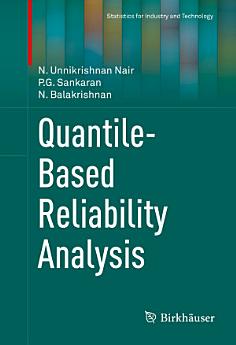
Quantile-Based Reliability Analysis

¡ Springer Science & Business Media
āχāĻŦ⧁āĻ•
397
āĻĒ⧃āĻˇā§āĻ āĻž

āĻāχ āχāĻŦ⧁āĻ•āĻ–āύ⧰ āĻŦāĻŋāĻˇā§Ÿā§‡

Quantile-Based Reliability Analysis presents a novel approach to reliability theory using quantile functions in contrast to the traditional approach based on distribution functions. Quantile functions and distribution functions are mathematically equivalent ways to define a probability distribution. However, quantile functions have several advantages over distribution functions. First, many data sets with non-elementary distribution functions can be modeled by quantile functions with simple forms. Second, most quantile functions approximate many of the standard models in reliability analysis quite well. Consequently, if physical conditions do not suggest a plausible model, an arbitrary quantile function will be a good first approximation. Finally, the inference procedures for quantile models need less information and are more robust to outliers.

Quantile-Based Reliability Analysis’s innovative methodology is laid out in a well-organized sequence of topics, including:

¡ Definitions and properties of reliability concepts in terms of quantile functions;

¡ Ageing concepts and their interrelationships;

¡ Total time on test transforms;

¡ L-moments of residual life;

¡ Score and tail exponent functions and relevant applications;

¡ Modeling problems and stochastic orders connecting quantile-based reliability functions.

An ideal text for advanced undergraduate and graduate courses in reliability and statistics, Quantile-Based Reliability Analysis also contains many unique topics for study and research in survival analysis, engineering, economics, and the medical sciences. In addition, its illuminating discussion of the general theory of quantile functions is germane to many contexts involving statistical analysis.


Quantile-Based Reliability Analysis presents a novel approach to reliability theory using quantile functions in contrast to the traditional approach based on distribution functions. Quantile functions and distribution functions are mathematically equivalent ways to define a probability distributi...

āĻ…āϧāĻŋāĻ• āĻŦāĻŋāϚāĻžā§°āĻŋ āĻĒāĻžāĻ“āĻ•

āĻāχ āχāĻŦ⧁āĻ•āĻ–āύāĻ• āĻŽā§‚āĻ˛ā§āϝāĻžāĻ‚āĻ•āύ āϕ⧰āĻ•

āφāĻŽāĻžāĻ• āφāĻĒā§‹āύāĻžā§° āĻŽāϤāĻžāĻŽāϤ āϜāύāĻžāĻ“āĻ•āĨ¤

āĻĒāĻĸāĻŧāĻžā§° āύāĻŋāĻ°ā§āĻĻ⧇āĻļāĻžā§ąāϞ⧀

āĻ¸ā§āĻŽāĻžā§°ā§āϟāĻĢ’āύ āφ⧰⧁ āĻŸā§‡āĻŦāϞ⧇āϟ
Android āφ⧰⧁ iPad/iPhoneā§° āĻŦāĻžāĻŦ⧇ Google Play Books āĻāĻĒāĻŸā§‹ āχāύāĻˇā§āϟāϞ āϕ⧰āĻ•āĨ¤ āχ āĻ¸ā§āĻŦāϝāĻŧāĻ‚āĻ•ā§āϰāĻŋāϝāĻŧāĻ­āĻžā§ąā§‡ āφāĻĒā§‹āύāĻžā§° āĻāĻ•āĻžāωāĻŖā§āϟ⧰ āϏ⧈āϤ⧇ āĻ›āĻŋāĻ‚āĻ• āĻšāϝāĻŧ āφ⧰⧁ āφāĻĒ⧁āύāĻŋ āϝ'āϤ⧇ āύāĻžāĻĨāĻžāĻ•āĻ• āϤ'āϤ⧇āχ āϕ⧋āύ⧋ āĻ…āĻĄāĻŋāĻ…'āĻŦ⧁āĻ• āĻ…āύāϞāĻžāχāύ āĻŦāĻž āĻ…āĻĢāϞāĻžāχāύāϤ āĻļ⧁āύāĻŋāĻŦāϞ⧈ āϏ⧁āĻŦāĻŋāϧāĻž āĻĻāĻŋāϝāĻŧ⧇āĨ¤
āϞ⧇āĻĒāϟāĻĒ āφ⧰⧁ āĻ•āĻŽā§āĻĒāĻŋāωāϟāĻžā§°
āφāĻĒ⧁āύāĻŋ āĻ•āĻŽā§āĻĒāĻŋāωāϟāĻžā§°ā§° ā§ąā§‡āĻŦ āĻŦā§āϰāĻžāωāϜāĻžā§° āĻŦā§āĻ¯ā§ąāĻšāĻžā§° āϕ⧰āĻŋ Google PlayāϤ āĻ•āĻŋāύāĻž āĻ…āĻĄāĻŋāĻ…'āĻŦ⧁āĻ•āϏāĻŽā§‚āĻš āĻļ⧁āύāĻŋāĻŦ āĻĒāĻžā§°ā§‡āĨ¤
āχ-ā§°ā§€āĻĄāĻžā§° āφ⧰⧁ āĻ…āĻ¨ā§āϝ āĻĄāĻŋāĻ­āĻžāχāϚ
Kobo eReadersā§° āĻĻ⧰⧇ āχ-āϚāĻŋ⧟āĻžāρāĻšā§€ā§° āĻĄāĻŋāĻ­āĻžāχāϚāϏāĻŽā§‚āĻšāϤ āĻĒā§āĻŋāĻŦāϞ⧈, āφāĻĒ⧁āύāĻŋ āĻāϟāĻž āĻĢāĻžāχāϞ āĻĄāĻžāωāύāĻ˛â€™āĻĄ āϕ⧰āĻŋ āϏ⧇āχāĻŸā§‹ āφāĻĒā§‹āύāĻžā§° āĻĄāĻŋāĻ­āĻžāχāϚāϞ⧈ āĻ¸ā§āĻĨāĻžāύāĻžāĻ¨ā§āϤ⧰āĻŖ āϕ⧰āĻŋāĻŦ āϞāĻžāĻ—āĻŋāĻŦāĨ¤ āϏāĻŽā§°ā§āĻĨāĻŋāϤ āχ-ā§°āĻŋāĻĄāĻžā§°āϞ⧈ āĻĢāĻžāχāϞāĻŸā§‹ āϕ⧇āύ⧇āĻ•ā§ˆ āĻ¸ā§āĻĨāĻžāύāĻžāĻ¨ā§āϤ⧰ āϕ⧰āĻŋāĻŦ āϜāĻžāύāĻŋāĻŦāϞ⧈ āϏāĻšāĻžāϝāĻŧ āϕ⧇āĻ¨ā§āĻĻā§ā§°āϤ āĻĨāĻ•āĻž āϏāĻŦāĻŋāĻļ⧇āώ āύāĻŋā§°ā§āĻĻ⧇āĻļāĻžā§ąāϞ⧀ āϚāĻžāĻ“āĻ•āĨ¤