આ ઇ-પુસ્તક વિશે
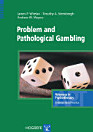
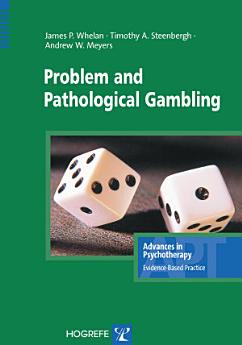
An easy-to-use guide leading clinicians through a cost-efficient approach to one of today's major addictions: problem or pathological gambling. Over the past 30 years there has been a dramatic increase in the availability of convenient and legal gambling opportunities. Most people can reach a casino in a matter of a few hours, lottery tickets in minutes, or an online gaming site in seconds. Accompanying this proliferation of gambling is a growing understanding that between 5% and 9% of adults experience significant to severe problems due to their gambling activities. These problems have become a real health concern, with substantial costs to individuals, families, and communities. The objective of this book is to provide the clinician – or graduate student – with essential information about problem and pathological gambling. After placing this behavioral addiction and its co-occurring difficulties in perspective, by describing its proliferation, the associated costs, and diagnostic criteria and definitions, the authors present detailed information on a strategy to assess and treat gambling problems in an outpatient setting. They go on to provide clear and easy-to-follow intervention guidelines, including homework assignments, for a brief and cost-efficient cognitive behavioral approach to problem gambling, involving stepped care and guided self-change. Means of countering problems and barriers to change and vivid case vignettes round off this thorough, but compact guide for clinicians.
An easy-to-use guide leading clinicians through a cost-efficient approach to one of today's major addictions: problem or pathological gambling. Over the past 30 years there has been a dramatic increase in the availability of convenient and legal gambling opportunities. Most people can reach a cas...
વધુ શોધો
લેખક વિશે
James P. Whelan, PhD, is Associate Professor of Psychology and Director of Clinical Training at the University of Memphis, as well as codirector of the Institute for Gambling Education and Research and the Gambling Clinic. He has also served as Director of Clinical Training and has won awards for his engaged scholarship. Dr. Whelan’s research spans several areas, including efficacy for psychological treatments, problem gambling, and sport and exercise psychology.
Andrew W. Meyers, PhD, is Professor in the Department of Psychology and Vice Provost for Research at the University of Memphis, as well as codirector of the Institute for Gambling Education and Research. Dr. Meyers has served on the editorial boards of the Journal of Consulting and Clinical Psychology, Behavior Therapy, Health Psychology, and Cognitive Therapy and Research, and for the past 25 years has maintained a private practice focused on addictions and health behavior
Timothy A. Steenbergh, PhD, is Associate Professor of Psychology and Director of the Lilly Student Research Initiative at Indiana Wesleyan University. Dr. Steenbergh’s research on addictive behaviors has focused primarily on problem gambling. In addition to his research, Dr. Steenbergh also enjoys teaching and providing psychotherapy at a small clinical practice in Marion, IN.
James P. Whelan, PhD, is Associate Professor of Psychology and Director of Clinical Training at the University of Memphis, as well as codirector of the Institute for Gambling Education and Research and the Gambling Clinic. He has also served as Director of Clinical Training and has won awards for...
આ ઇ-પુસ્તકને રેટિંગ આપો
તમે શું વિચારો છો અમને જણાવો.
માહિતી વાંચવી
સ્માર્ટફોન અને ટૅબ્લેટ
Android અને iPad/iPhone માટે Google Play Books ઍપ ઇન્સ્ટૉલ કરો. તે તમારા એકાઉન્ટ સાથે ઑટોમૅટિક રીતે સિંક થાય છે અને તમને જ્યાં પણ હો ત્યાં તમને ઑનલાઇન અથવા ઑફલાઇન વાંચવાની મંજૂરી આપે છે.
લૅપટૉપ અને કમ્પ્યુટર
Google Play પર ખરીદેલ ઑડિઓબુકને તમે તમારા કમ્પ્યુટરના વેબ બ્રાઉઝરનો ઉપયોગ કરીને સાંભળી શકો છો.
eReaders અને અન્ય ડિવાઇસ
Kobo ઇ-રીડર જેવા ઇ-ઇંક ડિવાઇસ પર વાંચવા માટે, તમારે ફાઇલને ડાઉનલોડ કરીને તમારા ડિવાઇસ પર ટ્રાન્સફર કરવાની જરૂર પડશે. સપોર્ટેડ ઇ-રીડર પર ફાઇલો ટ્રાન્સ્ફર કરવા માટે સહાયતા કેન્દ્રની વિગતવાર સૂચનાઓ અનુસરો.