ਇਸ ਈ-ਕਿਤਾਬ ਬਾਰੇ
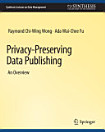
Privacy preservation has become a major issue in many data analysis applications. When a data set is released to other parties for data analysis, privacy-preserving techniques are often required to reduce the possibility of identifying sensitive information about individuals. For example, in medical data, sensitive information can be the fact that a particular patient suffers from HIV. In spatial data, sensitive information can be a specific location of an individual. In web surfing data, the information that a user browses certain websites may be considered sensitive. Consider a dataset containing some sensitive information is to be released to the public. In order to protect sensitive information, the simplest solution is not to disclose the information. However, this would be an overkill since it will hinder the process of data analysis over the data from which we can find interesting patterns. Moreover, in some applications, the data must be disclosed under the government regulations. Alternatively, the data owner can first modify the data such that the modified data can guarantee privacy and, at the same time, the modified data retains sufficient utility and can be released to other parties safely. This process is usually called as privacy-preserving data publishing. In this monograph, we study how the data owner can modify the data and how the modified data can preserve privacy and protect sensitive information. Table of Contents: Introduction / Fundamental Concepts / One-Time Data Publishing / Multiple-Time Data Publishing / Graph Data / Other Data Types / Future Research Directions
Privacy preservation has become a major issue in many data analysis applications. When a data set is released to other parties for data analysis, privacy-preserving techniques are often required to reduce the possibility of identifying sensitive information about individuals. For example, in medi...
ਹੋਰ ਲੱਭੋ
ਇਸ ਈ-ਕਿਤਾਬ ਨੂੰ ਰੇਟ ਕਰੋ
ਆਪਣੇ ਵਿਚਾਰ ਦੱਸੋ
ਪੜ੍ਹਨ ਸੰਬੰਧੀ ਜਾਣਕਾਰੀ
ਸਮਾਰਟਫ਼ੋਨ ਅਤੇ ਟੈਬਲੈੱਟ
Google Play Books ਐਪ ਨੂੰ Android ਅਤੇ iPad/iPhone ਲਈ ਸਥਾਪਤ ਕਰੋ। ਇਹ ਤੁਹਾਡੇ ਖਾਤੇ ਨਾਲ ਸਵੈਚਲਿਤ ਤੌਰ 'ਤੇ ਸਿੰਕ ਕਰਦੀ ਹੈ ਅਤੇ ਤੁਹਾਨੂੰ ਕਿਤੋਂ ਵੀ ਆਨਲਾਈਨ ਜਾਂ ਆਫ਼ਲਾਈਨ ਪੜ੍ਹਨ ਦਿੰਦੀ ਹੈ।
ਲੈਪਟਾਪ ਅਤੇ ਕੰਪਿਊਟਰ
ਤੁਸੀਂ ਆਪਣੇ ਕੰਪਿਊਟਰ ਦਾ ਵੈੱਬ ਬ੍ਰਾਊਜ਼ਰ ਵਰਤਦੇ ਹੋਏ Google Play 'ਤੇ ਖਰੀਦੀਆਂ ਗਈਆਂ ਆਡੀਓ-ਕਿਤਾਬਾਂ ਸੁਣ ਸਕਦੇ ਹੋ।
eReaders ਅਤੇ ਹੋਰ ਡੀਵਾਈਸਾਂ
e-ink ਡੀਵਾਈਸਾਂ 'ਤੇ ਪੜ੍ਹਨ ਲਈ ਜਿਵੇਂ Kobo eReaders, ਤੁਹਾਨੂੰ ਫ਼ਾਈਲ ਡਾਊਨਲੋਡ ਕਰਨ ਅਤੇ ਇਸਨੂੰ ਆਪਣੇ ਡੀਵਾਈਸ 'ਤੇ ਟ੍ਰਾਂਸਫਰ ਕਰਨ ਦੀ ਲੋੜ ਹੋਵੇਗੀ। ਸਮਰਥਿਤ eReaders 'ਤੇ ਫ਼ਾਈਲਾਂ ਟ੍ਰਾਂਸਫਰ ਕਰਨ ਲਈ ਵੇਰਵੇ ਸਹਿਤ ਮਦਦ ਕੇਂਦਰ ਹਿਦਾਇਤਾਂ ਦੀ ਪਾਲਣਾ ਕਰੋ।